


Everyone is dunking on Intel (yet again) and I really didn’t want to join in … However, with the launch of Intel’s latest mobile design - known as Panther Lake - one feature (or rather lack of a feature) jumped out and had me retracing Intel’s history to understand how historic mistakes can continue to hinder a company for decades. Panther Lake has certain highly respected analysts quite excited. And Panther Lake is exciting on many fronts. Sadly, though, I won’t be joining the SemiAnalysis team, for reasons I’ll explain later. Our story - in this part free and part paid post - starts with Intel’s former CEO, Pat Gelsinger: Soon after Pat Gelsinger’s second departure from Intel, Bryan Cantrill on the Oxide podcast highlighted a section of Gelsinger’s Oral History, given to the Computer History Museum in 2019. Gelsinger discusses a project that he’d backed at Intel shortly before leaving for the first time in 2010. In a nearly four hour long interview, Gelsinger makes a strong claim about one particular Intel project: We were in the right space, and had Intel stayed with it the world of machine learning, AI, Nvidia would be a fourth the size they are today as a company … For context, the interview was given in March 2019, whilst Gelsinger was still CEO of VMWare and Nvidia had a (stock split adjusted) share price of less than 180 at the time of writing this post) and a market cap of around 4.5 trillion today). The name of that Intel project? Larrabee. In the podcast Cantrill has a strong reaction to Gelsinger’s claims. I was washing the dishes as I was listening to this, and it stopped me in my tracks: I turned off the faucet, dried my hands, and backed up the recording. Had I heard correctly?! The reason for this response? If one wanted to make this eyewatering claim, it must be loaded with riders and caveats: it must acknowledge that Larrabee itself was an unusable disaster; that NVIDIA had an indisputable...
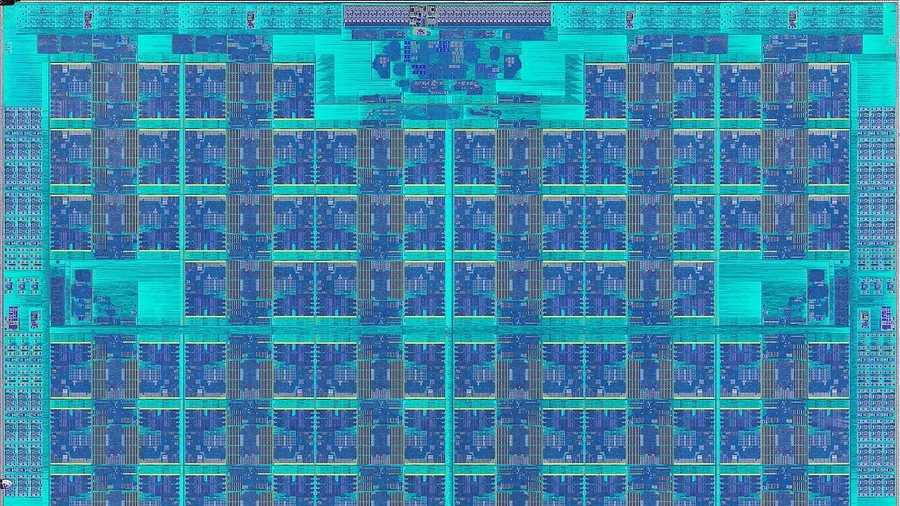
Intel's Larabee Legacy
Babbage
4 min readPaywalledVideo