The control of parasitic nematodes of humans and animals remains heavily dependent on a limited number of anthelmintic drug classes, and resistance to major classes is now widespread. Although phenotypic screening readily identifies compounds that impair worm motility or development, the intrinsic biological processes underlying chemical sensitivity in parasitic nematodes remain poorly defined. H…
Imagine a parasite that makes you live up to 10 times longer than you naturally would – while also inspiring others to treat you like royalty. It sure seems like a pretty good deal, but of course there’s a catch. The parasite just wants to keep you lazy so you’ll be easy pickings for a […]
IntroductionDictyocaulus arnfieldi infection is a common parasitic respiratory disease of equines that can adversely affect animal health, welfare, and productivity. However, epidemiological information on this infection remains limited in many regions of Egypt. This study aimed to determine the prevalence of D. arnfieldi infection and identify associated risk factors among equines in three Egypt…
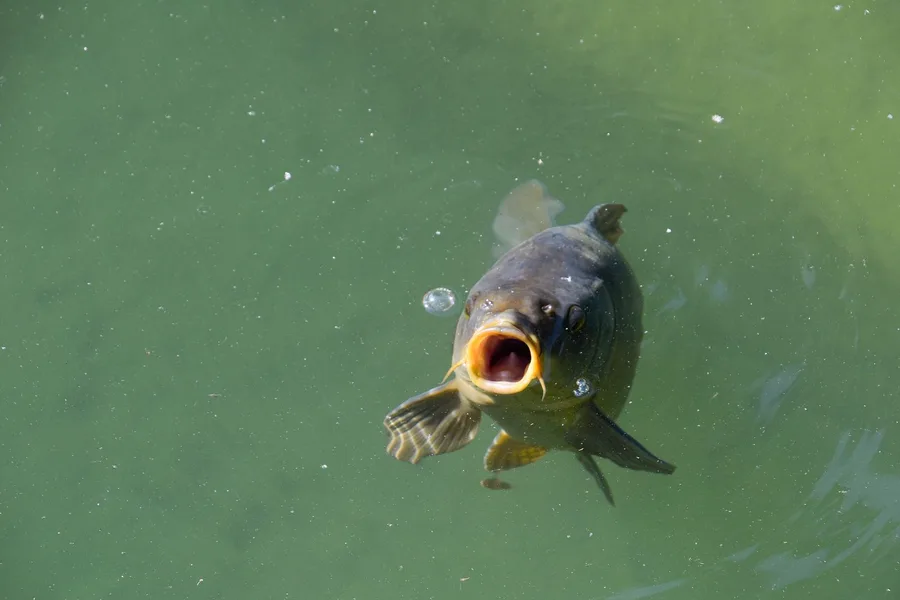
Cymothoa exigua is the only known parasite that anatomically replaces one of its host's organs. It enters a fish through the gills, severs the blood supply to the tongue until it withers, then anchors onto the stub to serve as a living, functional replacement.
This study aimed to identify nematodes of the genus Gongylonema using morphological and molecular methods and to determine their occurrence in a group of non-human primates and anteaters. A single female nematode collected from Macaca sylvanus, together with carcasses of 29 non-human primates (belonging to 13 species) and two anteaters (representing one species) from Czech zoological gardens and …
From a small village in Madhya Pradesh to leading a research group at IISER Pune and an EMBO GIN awardee, Krishanpal Karmodiya 's journey reflects resilience, curiosity, and perseverance. His lab investigates how the malaria parasite Plasmodium rapidly adapts to changing environments and drug pressures, offering new insights into disease biology and control.
BackgroundIntestinal parasitic infections in dogs and cats represent a significant clinical challenge and pose relevant zoonotic risks to public health. Epidemiological data on Portuguese companion animals remain scarce, with limited sample sizes and geographic coverage, leaving key gaps in understanding parasite prevalence and associated risk factors.MethodsThis cross-sectional epidemiological s…
IntroductionGiardia and Leishmania are important zoonotic parasites, yet their transmission dynamics in wildlife hosts on the Qinghai-Tibet Plateau remain unclear. As a keystone species on the Plateau, Ochotona curzoniaes overlap spatially with livestock and human activity areas and may serve as potential reservoir hosts for these pathogens. However, relevant molecular epidemiological data are cu…
Schistosomiasis is a zoonotic parasitic disease caused by Schistosoma japonicum infection, representing a significant public health concern for both animals and humans in China. A thorough understanding of the epidemiological features and diagnostic techniques associated with schistosomiasis is crucial for conducting prevention, control, and eradication strategies. This review provides a comprehe…
Scientific Reports, Published online: 15 May 2026; doi:10.1038/s41598-026-52729-8 Molecular characterization of Echinococcus granulosus sensu lato genotypes circulating in small ruminants in north India
The life cycle of Plasmodium falciparum is complex, involving asexual and sexual reproduction in humans and mosquitoes, respectively. The parasite transmission from humans to mosquito vectors requires the formation of female and male gametes through gametogenesis. The MKT1 domain proteins are key molecules involved in posttranscriptional gene regulation and cellular differentiation in protozoans,…
Heartworm’s global spread likely stems from ancient canid hosts, not recent human activity. Findings may reshape treatment approaches. Research from the University of Sydney is changing how scientists understand one of the most common parasites affecting dogs. The findings suggest heartworm disease has a much older and more complex evolutionary history than previously thought, including [...]



 research.io