ObjectiveAttention-Deficit/Hyperactivity Disorder (ADHD) in adulthood is a complex neuropsychiatric condition characterized by inattention, hyperactivity/impulsivity, often associated with emotional dysregulation, with a significant impact on global functioning, self-esteem, and quality of life. The aim of this study is to compare the effects of atomoxetine and methylphenidate on quality of life …
BackgroundSomatic Symptom Disorder (SSD) is defined by distressing physical symptoms and exaggerated psychological responses, and interoceptive hypersensitivity is widely regarded as a central feature, but the neuro-psychological pathway from neural interoceptive processing to clinical symptoms is not well elucidated. Hence, the present study sought to investigate the neurophysiological basis of …
Dr. Kouros Emami, a clinical and sports neuropsychologist at the Hospital for Special Surgery, is helping reshape concussion care by focusing on evidence-based recovery instead of fear.
On the 5th of November 2007, Alan Burgess suffered from a stroke, changing his relationship with the world permanently in the space of a morning. However, this didn’t happen in a way that most people would expect. He wasn’t left paralysed or with impaired vision; it was something much more bizarre. Alan’s stroke had left him with a syndrome called hemispatial neglect, where the left side of the w…
BackgroundDeep brain stimulation (DBS) is an established therapy for advanced Parkinson’s disease (PD). However, its impact on neuropsychological outcomes remains controversial and lacks systematic integration. This study aims to systematically evaluate the effects of DBS on cognitive and neuropsychiatric symptoms in PD patients through a meta-analysis of randomized controlled trials (RCTs).Metho…
BackgroundTourette syndrome (TS) has traditionally been conceptualized as a movement disorder characterized by involuntary motor and vocal tics. However, growing evidence suggests that tic generation involves complex interactions between neural, physiological, and psychological processes, particularly the role of premonitory urges (PU).ObjectiveThis paper aims to develop an integrative model of t…
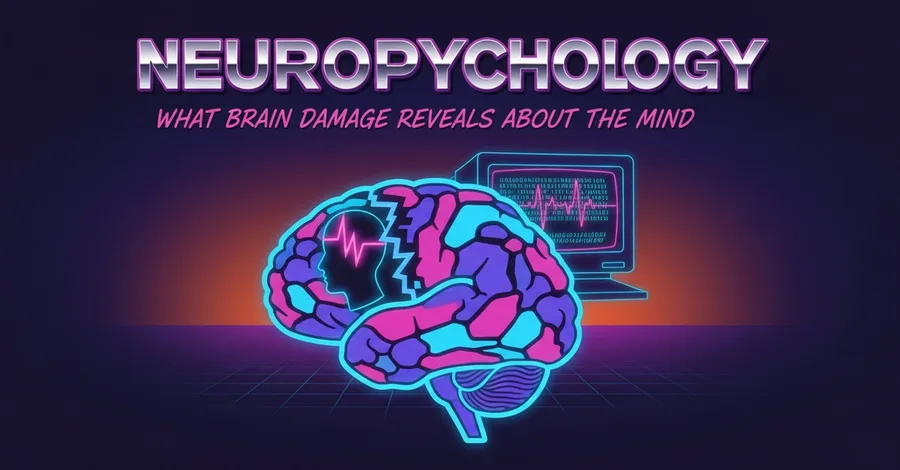
Introduction Neuropsychology teaches us that the brain is modular—different regions handle different functions. By studying what happens when these regions are damaged, we've learned more about how our minds work than almost any other method in psychology. Key Concepts Localization of Function : Specific brain regions are responsible for specific abilities (speech, memory, motor control, etc.) Le…
BackgroundSocial cognition is increasingly recognized as part of the non-motor phenotype of essential tremor (ET). Available ET evidence suggests selective alterations in some socio-cognitive domains, whereas findings on self-reported empathy and alexithymia remain limited and inconsistent.ObjectivesThis cross-sectional study aimed to evaluate empathy and alexithymia in patients with ET compared …
This work presents a structured first-person clinical account of prolonged psychological suffering in a twice-exceptional (2e) profile characterized by high cognitive ability, high masking, and late diagnosis of neurodivergence. The text integrates neuropsychological data, longitudinal self-observation, and a systematic review of relevant literature to examine the relationship between autistic ma…
Key Findings FABBS is delighted to name Dr. Victoria Merritt an early career impact award winner for her contributions in understanding the genetic, neuropsychological, and ... Read More Source