Aesthetic Management Partners (AMP) today announced the addition of ATTIVA(r), an intelligent subdermal radiofrequency platform, to its growing portfolio of aesthetic technologies. Designed to work beneath the skin's surface, ATTIVA delivers controlled thermal energy to support tissue remodeling and natural-looking improvements in firmness, definition, tone, and texture.
Hike Medical, a San Francisco-based medical device company combining clinical software with in-house manufacturing, has raised $22.5 million in seed and Series A funding to expand its vertically integrated orthotics and durable medical equipment platform. The round was led by Max Altman at Saga Ventures, with participation from Indicator Ventures, Fifth Down Capital, RiverPark Ventures…
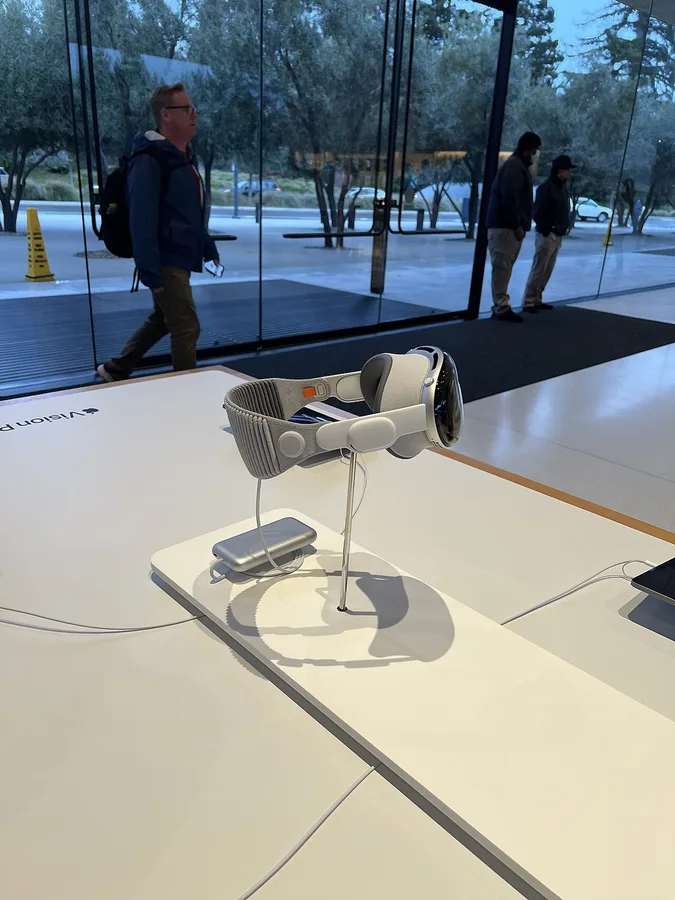
Stryker announced on September 1 that the first hip arthroscopy using SportSuite Vision on Apple Vision Pro was completed at Duke Health. The more consequential document is FDA's De Novo record DEN250040, which created product code SIT and regulation 888.1150, a new Class II classification whose listed submission type is already 510(k).
I work in a 200-person Class II medical device company with two QA/RA folks, three embedded-hardware teams, a small supplier-quality group, and engineers who want automation — not more paperwork. We needed an eQMS that unifies design control (DHF), CAPA, supplier records, and traceability into something engineers will actually use. I evaluated several vendors and want to share a short, practical …
Scientific Reports, Published online: 07 August 2026; doi:10.1038/s41598-026-51761-y Fabrication and characterization of porous PDMS-heterogeneous conductive fillers composite based resistance pressure sensors for biomedical applications
The US Food and Drug Administration (FDA) has granted premarket clearance to a 3D printed titanium cranial plate developed at Walter Reed National Military Medical Center, marking the first time the agency has cleared an implant produced by a point-of-care institution. The clearance, listed under submission number K253116, covers the 3D Medical Applications Center’s (3D…
FDA has developed this guidance document to assist industry in following appropriate human factors and usability engineering processes to maximize the likelihood that new medical devices will be safe and effective for the intended users, uses, and use environments.... The post Applying Human Factors and Usability Engineering to Medical Devices: Guidance for Industry and Food and Drug Administrati…
A groundbreaking device capable of sustaining donated lungs outside the body for up to six hours has been given the green light for NHS use. The XVIVO Perfusion System, which replicates natural bodily processes including respiration and blood circulation, received approval from the National Institute for Health and Care Excellence in draft guidance as further evidence on its efficacy is gathered.…
An eye implant and a pair of high-tech glasses that enable people with a severe form of vision loss to read have been approved for use by a European regulator
The Advanced Technologies in Design and 3D Printing Unit (UTADI 3D) at Hospital Universitario 12 de Octubre in Madrid has become the first public unit in Spain to hold a dual manufacturing license and dual certification, one for design, one for manufacturing, for each family of custom medical devices. The recognition follows an expansion of…
At ADLM Clinical Lab Expo 2026, G&H (LON: GHH) will showcase how diagnostic and medical device companies can accelerate the development and commercialization of innovative healthcare technologies through a single partner offering multidisciplinary engineering, precision optics, photonics and ISO 13485-certified manufacturing.
Cardiovascular disease remains the world's leading cause of death, creating an ongoing need for better tools to understand heart disease ... The post Soft Robotic Heart Opens New Possibilities for Medical Device Development (Watch) appeared first on PPI .
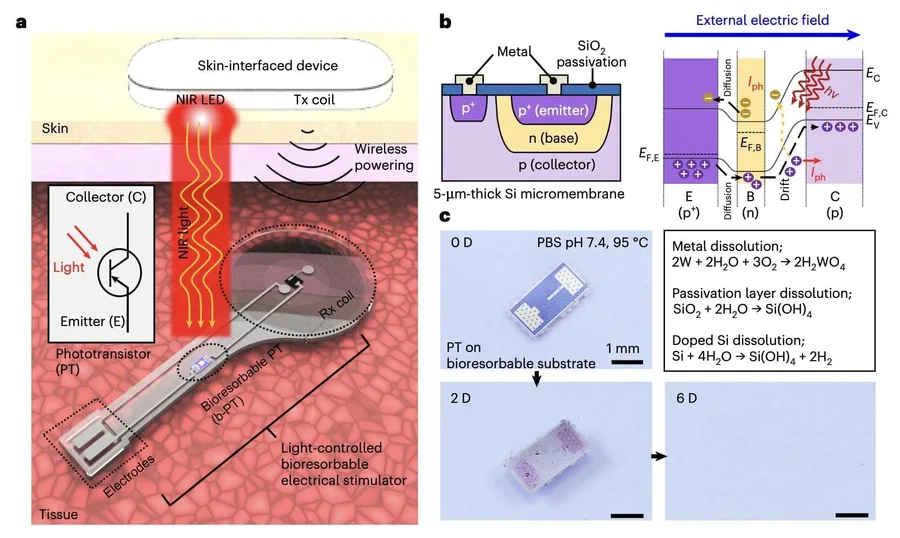
To treat or manage various heart, gastrointestinal and neurological conditions, including arrhythmias, heart block, gastroparesis, epilepsy and some nerve injuries, doctors rely on a technique known as electrical stimulation. Electrical stimulation entails the delivery of small electrical pulses to target locations to prompt the activation of nerves, muscles or organs. Many existing approaches fo…
High blood pressure is one of the most common health problems in the world. In the United States alone, nearly half of adults have high blood pressure, also known as hypertension. Many people can control it with medication, healthier eating, exercise, and other lifestyle changes. However, not everyone responds well to these treatments. Some patients […] The post New Soft Implant May Control High …
If you’ve worked in medical devices for a while, the term Device Master Record or DMR probably feels like muscle memory. It’s been part of the regulatory vocabulary for decades, especially if you’ve worked with U.S. Food and Drug Administration (FDA) requirements.
A vital tool for healthcare practitioners, electroencephalography (EEG) systems measure electrical activity in the brain through electrodes placed on the scalp, but getting reliable readings can be surprisingly difficult. Hair interferes with contact between the electrodes and skin, and the gels used to improve those connections often dry out over time, weakening signal quality. Researchers at Pe…
In the medical devices industry, “ design transfer ” refers to the process of transitioning a medical device from development to large-scale manufacturing. For manufacturers, particularly personnel in the quality, R&D, and manufacturing functions, a working knowledge of design transfer and compliance with requirements is essential. In this post, we’ll explain why design transfer is important, how…
In my experience as a quality professional, I have found that a CAPA medical device system is the most revealing part of a company's internal structure. I once worked with a team that had nearly 40 open files, some dating back eighteen months, because they treated the process as a secondary administrative task rather than a priority.
Medical devices are becoming smaller, lighter and more portable. From handheld diagnostic tools to wearable infusion pumps and compact surgical instruments, reduced size is now a defining feature of many new Medtech products.







 research.io