BackgroundPueraria candollei var. mirifica (Airy Shaw and Suvat.) Niyomdham (Pueraria mirifica), locally known as “White Kwao Krua” or “white kudzu”, is a renowned medicinal botanical drug indigenous to Southeast Asia, particularly Thailand and Myanmar. It has long been utilized in ethnomedicine for estrogen-related conditions and age-associated functional decline. This review critically evaluate…
Hemorrhoids is one of the most prevalent diseases affecting people’s health both in Thailand and worldwide. The therapeutic use of medicinal plants for hemorrhoidal treatments is widespread across many countries, supported by evidence demonstrating the efficacy of their pharmacological activity. This study aims to (1) conduct an in-depth literature review on plants used in Thailand for hemorrhoid…
This concise review highlights the rich phytochemical diversity of Verbesina, linking ethnomedicinal wisdom with pharmacological evidence to reveal its promising therapeutic potential and inspire future drug discovery from traditionally valued medicinal plants.
Introduction The primary manifestations of cirrhosis, fever, cold, cough, rheumatic pain, burns, fungal infections, insect bites, influenza, diarrhoea, jaundice, and stomach-aches are all addressed using medicinal plants.1 Throughout the pandemic, an assortment of traditional medicinal plants and herbs were used as remedies in the case that there were no suitable medications to treat COVID-19. Th…
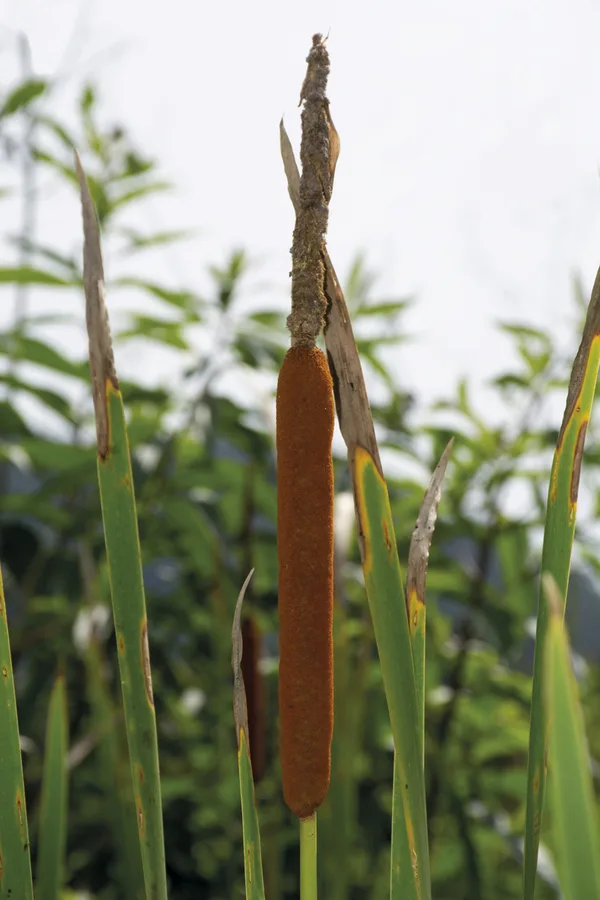
Participatory research contributes to knowledge and university students develop cattail management plan The post Quilombola communities reveal the use of plants appeared first on Civic Science Media Lab .
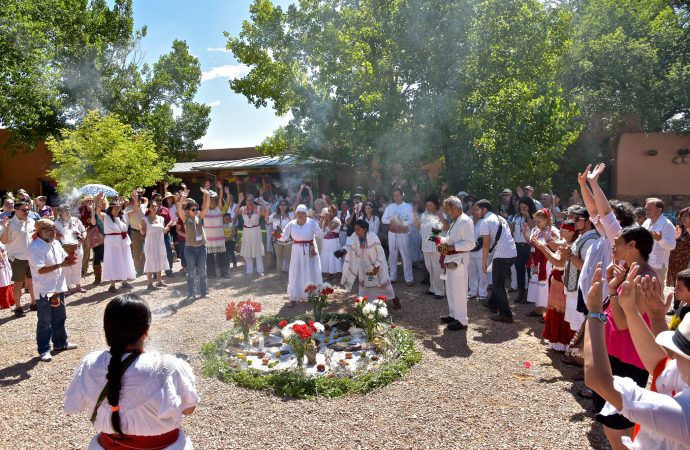
Under the clear, moonlit sky of Friday, July 13, 2018, Elide Sanchez Rivera steps into her own star—a large, white symbol chalked into the dusty ground. With the sound of the ocean waves crashing nearby, Sanchez stands in front of an altar and waits for the healing to begin. The work of curanderos For the […]
A hair dye used in pre-dynastic Egypt is still used today. This enduring plant-based dye has found its way into a great number of cultures going back as long as 6000 years. Its popularity is thanks in part to the broad distribution of the plant itself, but is largely a result of the diverse religious traditions […]
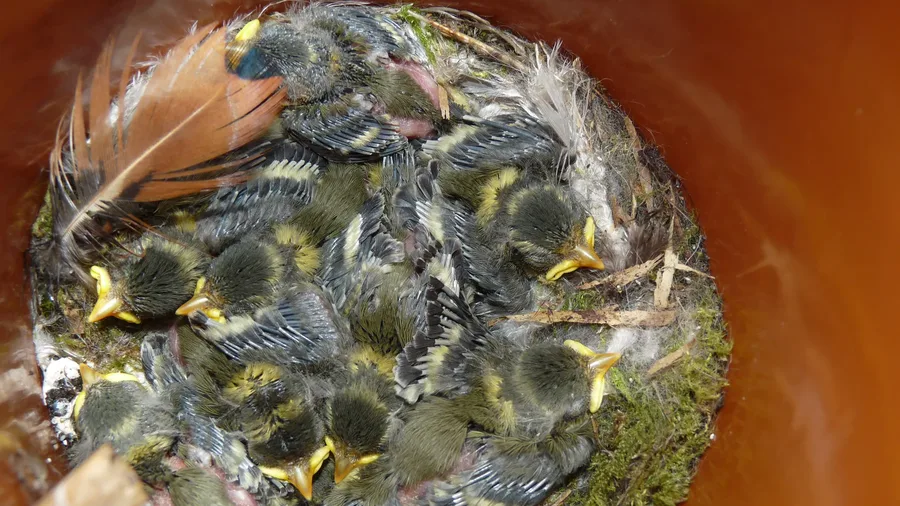
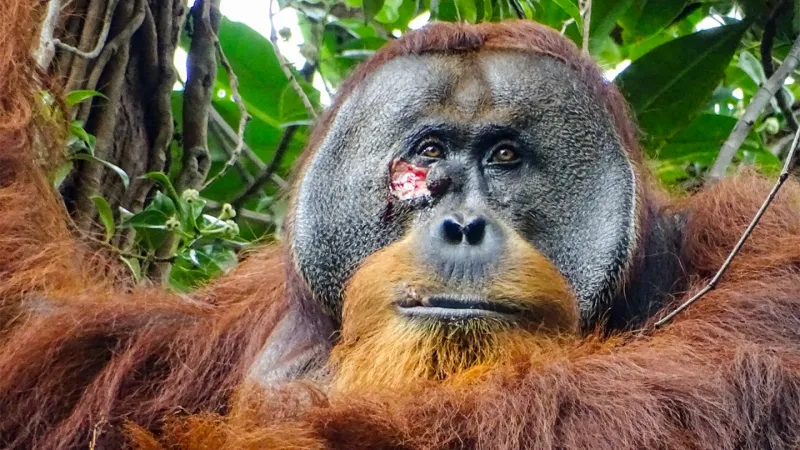
“Not all pharmacists are human.” So begins a 1993 review article on the use of medicinal plants by animals. Reading on, we learn that pharmacists can be chimpanzees, Kodiak bears, starlings and grackles. As we learn more about how animals use plants to prevent and treat ailments, this list has only continued to grow. It now even includes caterpillars.
Self medication defined: When a substance is …
The Royal Botanical Gardens at Kew, or London’s Kew Gardens if you’re not from the 1800s, has a fantastic season of events on the science of psychoactive plants that starts on 20th September. It covers everything from coffee to opium to magic mushrooms and discuss the pharmacology, public policy and ethnobotany of intoxicating plants. There … Continue reading "Psychoactive plants in season at Kew…