emergency-health
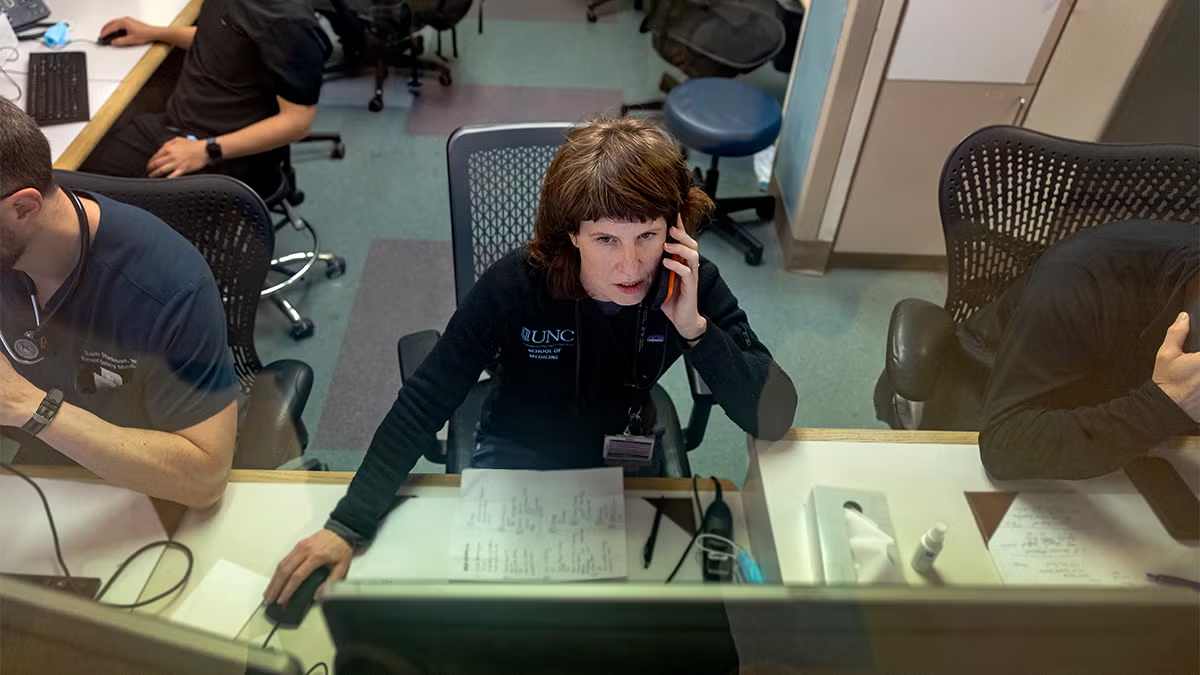
Susie Kennedy talking on the phone and using her computer while working in the emergency department of UNC Hospitals.
For an emergency physician, there is no “typical day.” The next patient could have appendicitis just as easily as a severe bone fracture. Life in the emergency room (ER)—more commonly known as the emergency department (ED) among physicians—is both unpredictable and fast-paced. So if you’re thinking about becoming an emergency physician after medical school, it’s […] The post 8 Signs You’d Thrive …
Written by: Elizabeth Stulpin, MD (NUEM PGY-1) Edited by: Kevin Dyer, MD (NUEM PGY-2) Expert Commentary by: Erin Lareau, MD Alcohol related ED visits are an all too common occurrence and are only becoming more frequent. Between 2006 and 2014, the number of ED visits involving alcohol consumption increased by over 60 percent. This has led us to our current estimated 1.2 million hospital admissions…
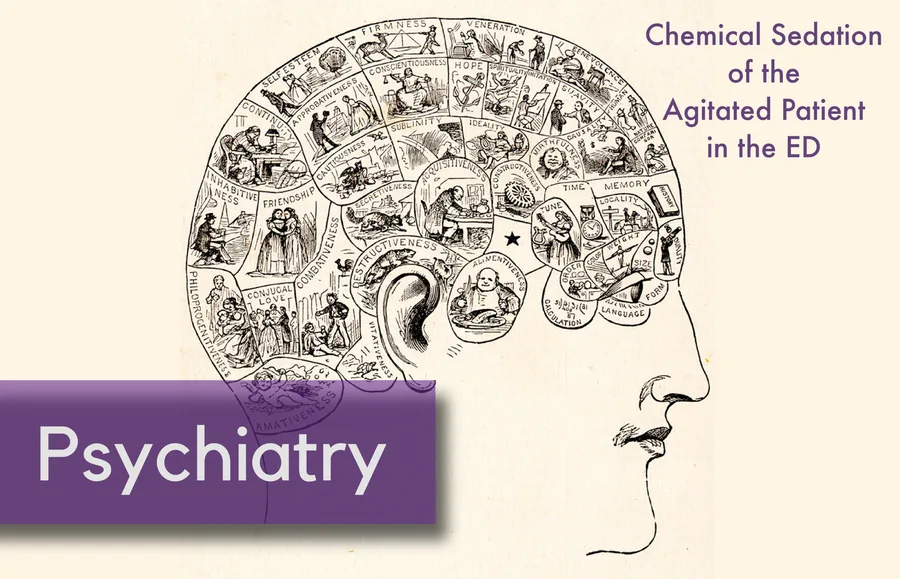
Written by: Zach Schmitz, MD (NUEM PGY-3) Edited by: Jason Chodakowski (NUEM PGY-4) Expert commentary by: Spenser Lang, MD (NUEM 2018) Expert Commentary Chemical Sedation of the Agitated Patient This is a wonderful infographic from Dr. Schmitz discussing the various tools at the disposal of the emergency physician regarding agitated patients. Unfortunately, this type of encounter in the Emergency…
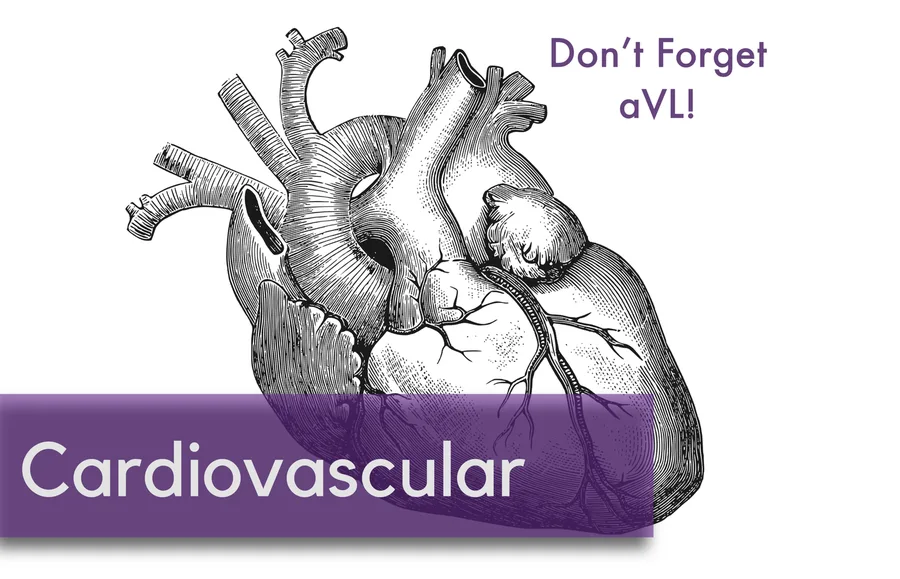
Written by: Laurie Aluce, MD (NUEM PGY-3) Edited by: Kimberly Iwaki MD (NUEM Alum ‘18 ) Expert commentary by: Daniel Schimmel, MD The Case: Patient: 57 year old male Chief Complaint: Chest Pain PMH: Hypertension Pain: Mid-sternal, non-radiating, 6/10, constant pressure Onset: 45 minutes ago while watching TV Associated symptoms: No diaphoresis, light-headedness, nausea, vomiting, or back pain Vit…
UW Medicine Newsroom | November 8, 2018 A person who is bleeding can die from blood loss within five minutes. That’s why every second counts when someone is injured in a disaster or a mass shooting, especially because emergency services often are spread thin in those moments. The Stop the Bleed program trains the public in basic bleeding control techniques to be ready… The post Soundbites: Stop t…
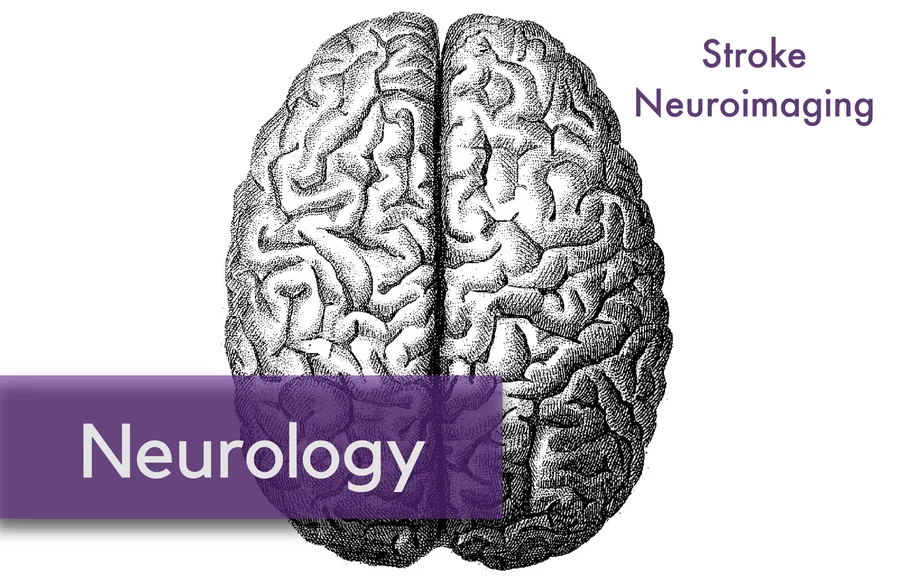
Written by: Justin Seltzer, MD (PGY-3) Edited by: Luke Neill, MD (PGY-4) Expert commentary by: Babak Jahromi, MD, PhD According to the CDC, an ischemic stroke occurs approximately every 40 seconds in the US, with nearly 800,000 documented cases annually.[1] This, combined with an effective national stroke symptom public education program, has resulted in a large number of patients presenting to e…