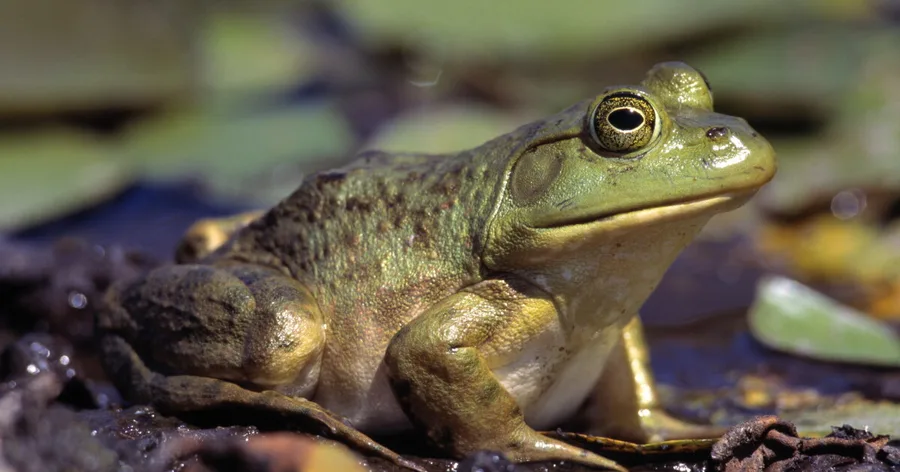
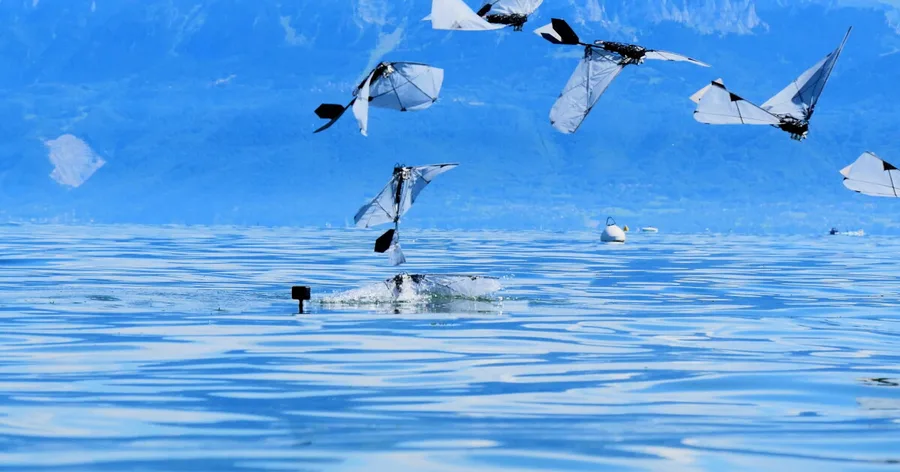
Few things make the career jump from regional cuisine delicacy to robotics actuator. Yet, in research vaguely reminiscent of RoboCop, scientists have used skeletal muscle from a literal frog leg as an actuator to control a tiny robotic manta ray. Continue Reading Category: Robotics , Engineering Tags: Chinese Academy of Sciences , Muscle , locomotion , Biomimicry , Swimming
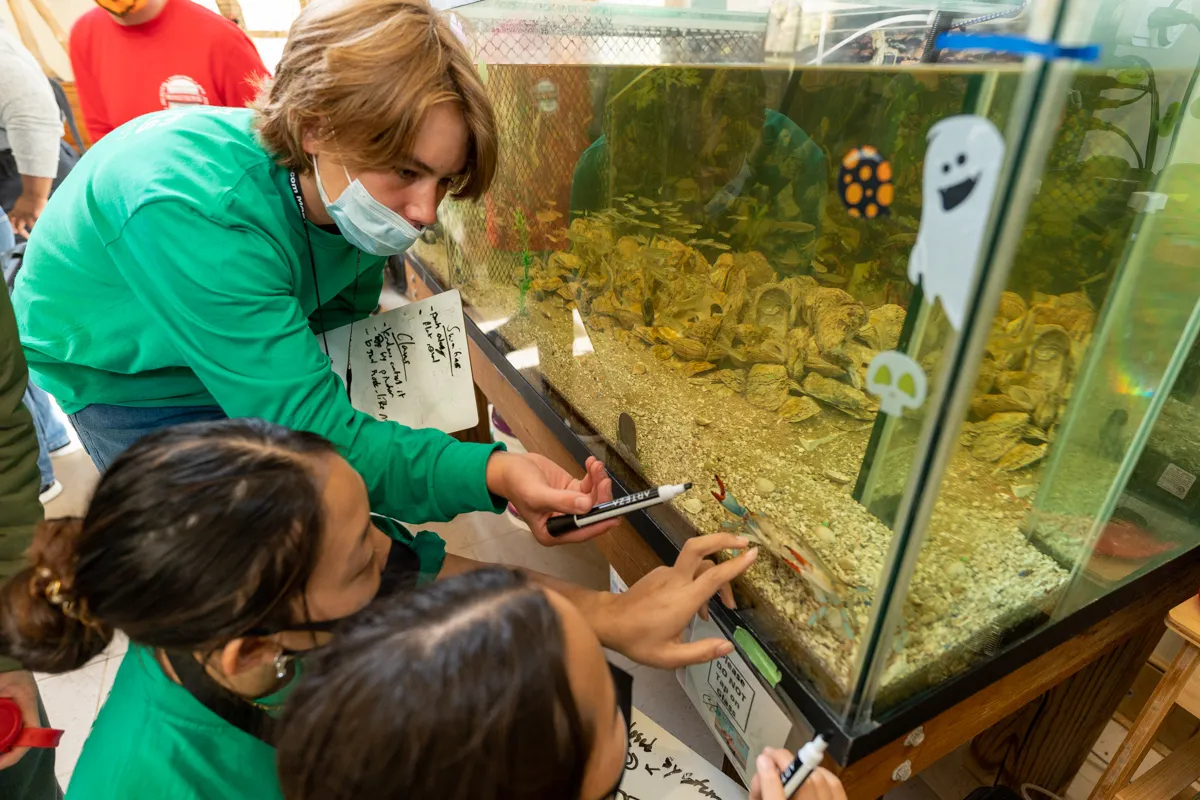
For the first time since 2019, Broadcom MASTERS, the nation’s premier STEM competition for middle school students, was held in… The post Down by the bay, Broadcom MASTERS finalists take on biomimicry appeared first on Society for Science .
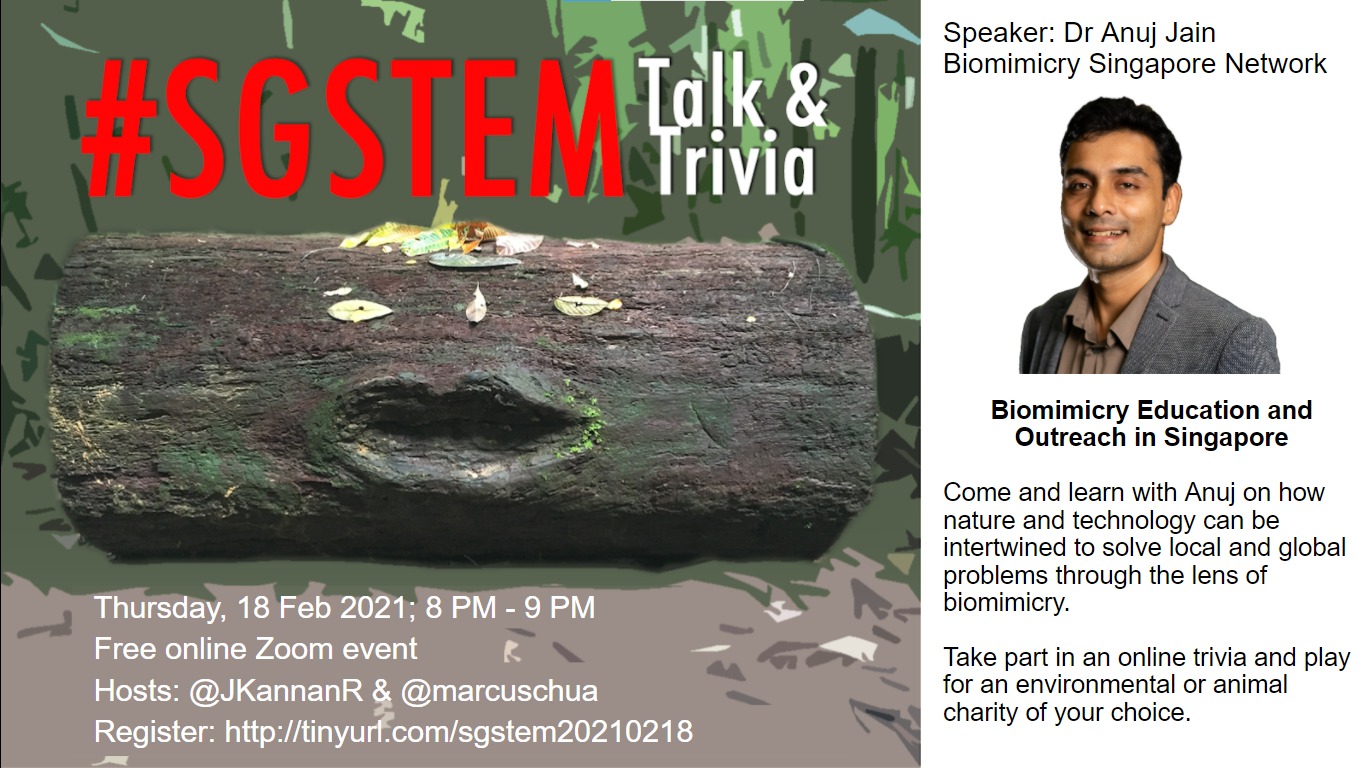
What does the front of a Japanese bullet train, sonar, and Velcro all have in common? They are all human inventions that were conceived and adapted from evolutions that exist in nature. How does nature inspire us, and how much more can we learn and adapt from nature? And can we embrace a biomimetic future, as we have done with biophilia?
Dr Anuj Jain, co-founder of the Biomimicry Singapore Networ…
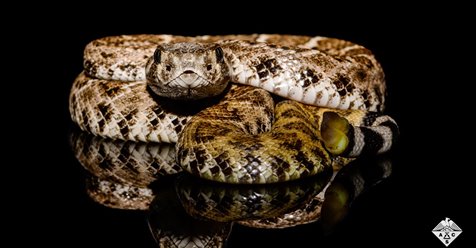
https://youtu.be/6d3LC2ucHfg Konrad Rykaczewski and faculty from ASU's Biomimicry Center investigated how the nanostructure of rattlesnakes' scales helps them collect rain droplets for drinking in this video from ACS Publications . The post How rattlesnakes’ scales help them sip rainwater from their bodies appeared first on Engineering News .
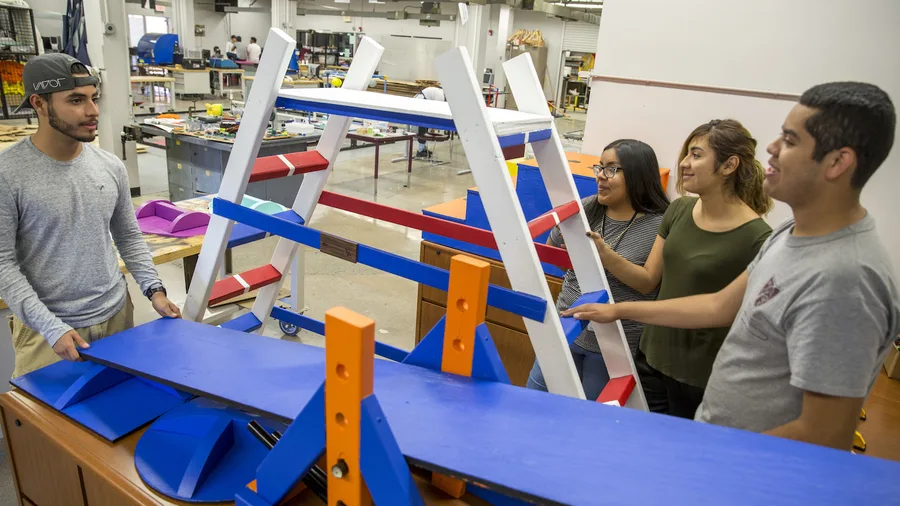
Above: Students at Metro Tech High School in Phoenix work on an obstacle course designed to train service dogs. It’s one of the projects that will be featured at the EPICS High Showcase on April 20 at the Arizona Science Center. Photographer: Jessica Hochreiter/ASU. "Engineers from day one" is the identity new undergraduates are encouraged to adopt in Arizona State University's Ira A. Fulton Scho…
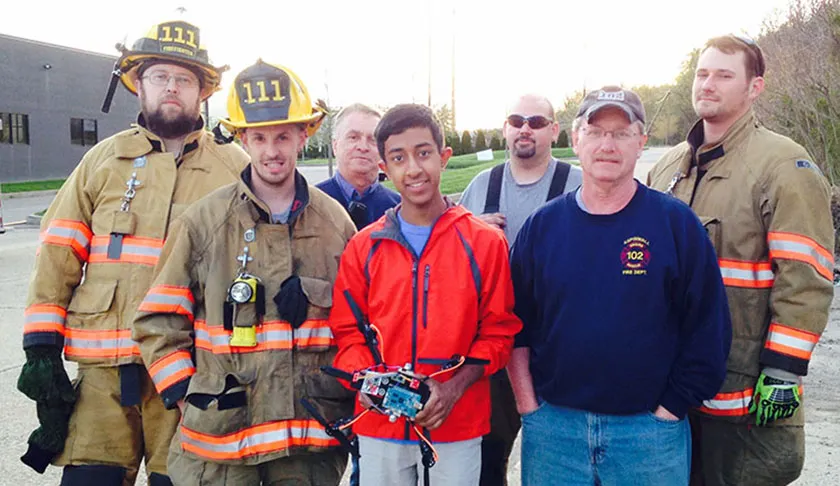
Mihir Garimella, a junior in high school, develops drones based on animal biology. He was a multi-year Broadcom MASTERS semifinalist and 2013 finalist, and an Intel ISEF 2015 finalist. He said Broadcom MASTERS inspired him to continue his work on these projects to make a difference in the world.
FlyBot, an invention of Mihir’s, avoids obstacles by incorporating the insect’s visual capabilities. H…
Humans have long sought solutions to their problems by observing nature and trying to mimic it. These endeavors have lead to improvements in the designs and production processes of countless things. In recent decades there has been a growing movement composed of scientists, engineers, and innovators of all types to expressly seek for answers to today’s […]