IEEE TCCA Blog
One of the most pressing challenges facing today’s digital society is how to curb the relentless increase in the energy consumption of computing. Without major action, such an increase is even likely to accelerate, as ubiquitous AI models are embedded
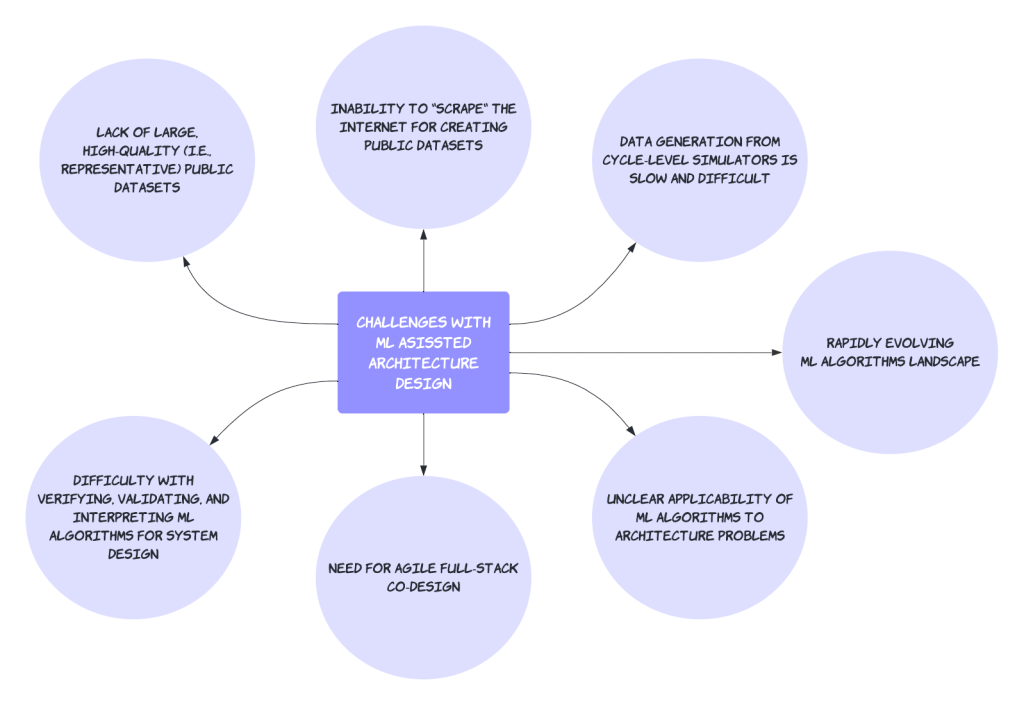
Machine learning-driven computer architecture tools and methods have the potential to drastically shape the future of computer architecture. The question is: how can we lay the foundation to effectively usher in this era? In this post, we delve into the
In this blog post, we highlight recent publications from the IEEE Computer Architecture Letters (CAL) from the IEEE Computer Architecture Letter Vol. 21 (Issue1 • Jan-Jun2022). We include a short summary if provided by the authors. IEEE CAL Editorial Board
Scientific progress relies on sound reviewing processes.  The integrity of our review process is paramount, and it rests on our handling of ethical concerns and conflicts of interest.  These issues have been compounded by the rapid growth in the computer
This is a repost from the ACM SigArch blog. Welcome to the trip report on the 28th IEEE International Symposium on High-Performance Computer Architecture (HPCA-28)! This marks the second fully-virtual HPCA (and hopefully last). With signs of the COVID-19 pandemic
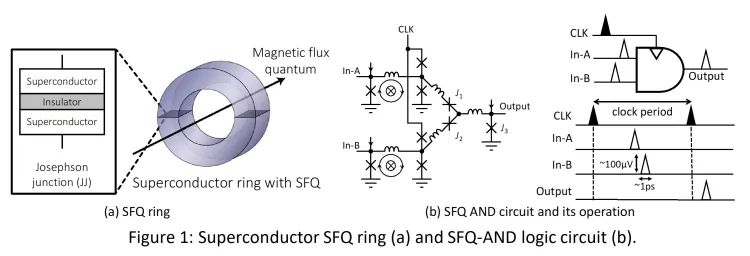
1: What is Superconductor SFQ? Moore’s Law, doubling the number of transistors in a chip every two years, has so far contributed to the evolution of computer systems. Unfortunately, we cannot expect sustainable transistor shrinking anymore, marking the beginning of
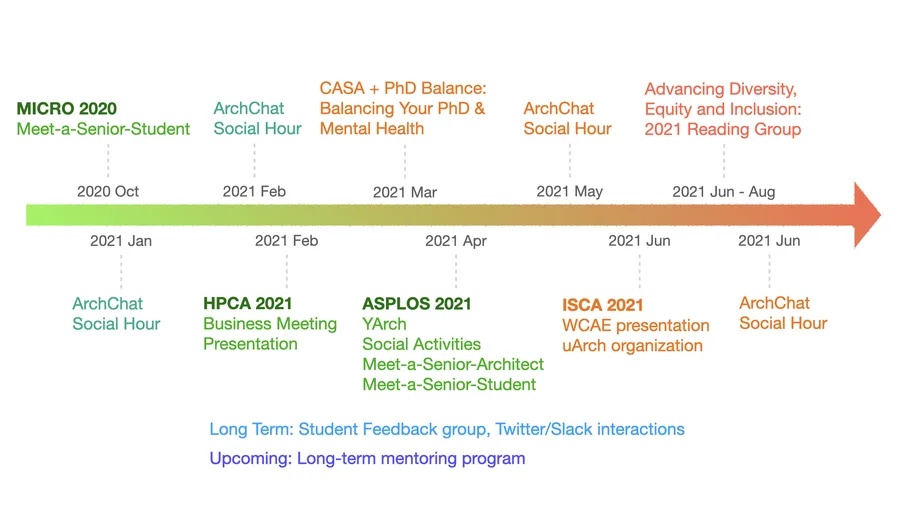
With MICRO upon us, I would like to take time to reflect on the events running up to the establishment of CASA or the Computer Architecture Student Association. This month we will be celebrating our first anniversary as an active
Dear Computer Architecture Community, We take this opportunity to invite you all to the first-ever edition of the IEEE International Symposium on Secure and Private Execution Environment Design (SEED). This blog post will provide an overview of the inaugural edition of IEEE
Across the computer systems and architecture community, there has been A Call to Action to advance and promote diversity, equity, and inclusion (DEI) values through systemic change. Towards this step, HPCA 2021, PPoPP 2021, CGO 2021, and CC 2021 held
As with all scientific communities, the field of computer architecture is driven by publications. At the heart of a meaningful scientific publication model is a fair and sound peer-reviewing process. If this process is compromised, some papers might be unfairly
This article also appears on the ACM’s Committee for Systematic Change webpage (https://www.acm.org/diversity-inclusion/committee-on-systemic-change) and the IEEE CS Diversity & Inclusion webpages (https://www.computer.org/about/diversity-inclusion). There is a movement occurring broadly across many scientific and engineering fields, including widely within our computing community,
Dear Computer Architecture Community, This blog is to provide an overview of the HPCA 2021 PC organization and the paper selection process. As you all know by now, HPCA 2021 will be virtual. So, let me take this opportunity to
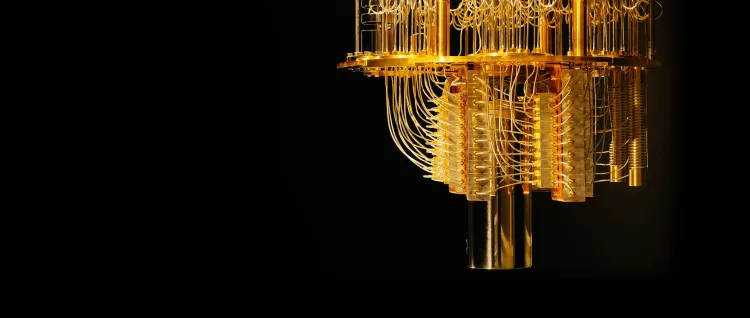
Quantum computing architecture and system software are evolving at a rapid pace. Less than ten years back, the quantum computing model appeared to be primarily a theoretical endeavor for many of us. But, a lot has changed in the last
The Happy Hour with Architects hosts prominent researchers from academia and industry to discuss different topics related to computer architecture. We hope to create a sense of community during this pandemic by providing a platform to discuss and debate research
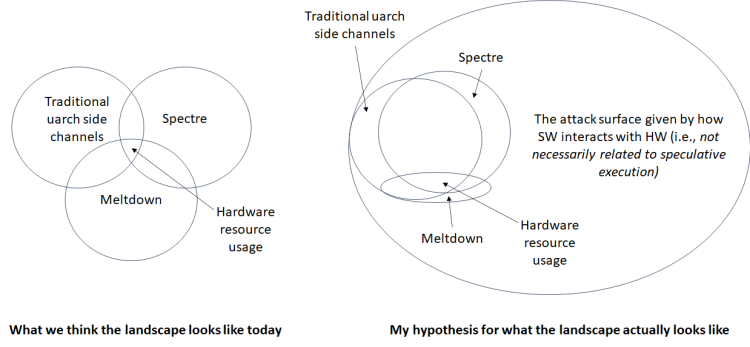
(For further reading on security topics, I also suggest the Sigarch blog which has run an excellent series of posts on a range of topics: https://www.sigarch.org/tag/security/.) Processor security concerns have made the past several years a very exciting time to
Advances in deep learning have become the main drivers of revolutions in various commercial and enterprise applications. Due to the increasing model size and the large amount of training data, in recent years, we have witnessed a phenomenal paradigm shift
This article originally appeared on the SIGARCH blog. Highlights of the business meeting were added for this version. By all accounts, HPCA (and co-located PoPP/CGO) was a tremendous success with fabulous keynotes, many ground-breaking papers and an almost too-wonderful setting