Wharton Neuroscience Initiative
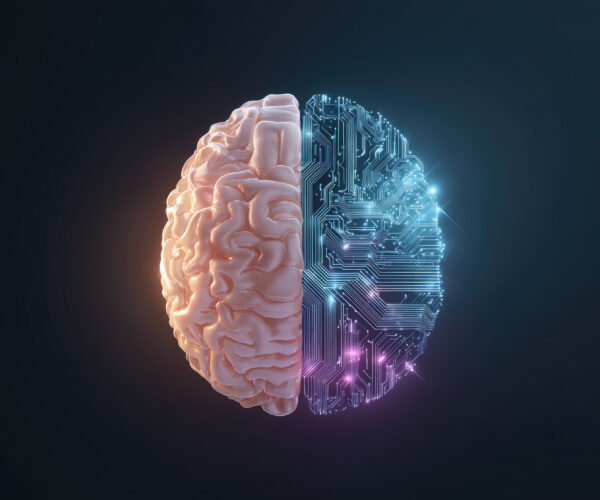
The post Artificial Intelligence Mirrors Natural Intelligence appeared first on Wharton Neuroscience Initiative .
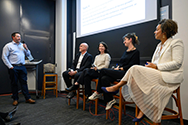
The post The Science of Boardroom Decision-Making appeared first on Wharton Neuroscience Initiative .
The post How Neuroscience Can Unlock the Future of AI-Powered Literacy appeared first on Wharton Neuroscience Initiative .
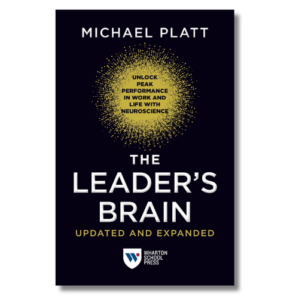
The post How Can Leaders Adapt to AI? appeared first on Wharton Neuroscience Initiative .
The post Can We Identify Future Leaders Before They Lead? appeared first on Wharton Neuroscience Initiative .
The post Advancing Leadership Through Science and Innovation appeared first on Wharton Neuroscience Initiative .
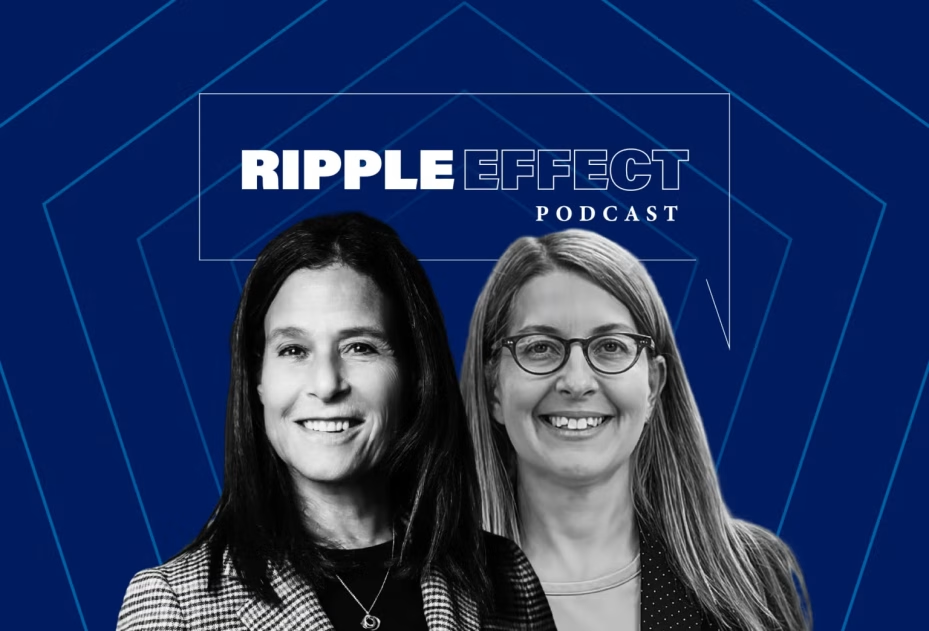
In a podcast episode titled 'Visual Marketing: A Practical Guide to the Science of Branding and Retailing,' Barbara Kahn and Elizabeth (Zab) Johnson discuss the merger of marketing and neuroscience, focusing on visual marketing's increasing significance in today's digital and omnichannel environment. They highlight key principles such as attention and fluency, and the importance of interdisciplin…
New research from Wharton highlights that while generative AI like ChatGPT can enhance individual idea quality, it may reduce diversity among group ideas, which is crucial for innovation. Ensuring diversity in ideation processes involves changing prompts and incorporating multiple AI models or starting with human ideas, as suggested by the study's authors. … Read More The post Does AI Limit Our C…
In an article for MSN, Emily Falk, Associate Professor at the Annenberg School for Communication at the University of Pennsylvania, unpacks how small talk can spark deeper social bonds. Backed by neuroscience research, Falk explains how brief, everyday conversations help establish brain synchrony—laying the groundwork for more meaningful exchanges. Using the “Fast Friends” protocol, a structured …