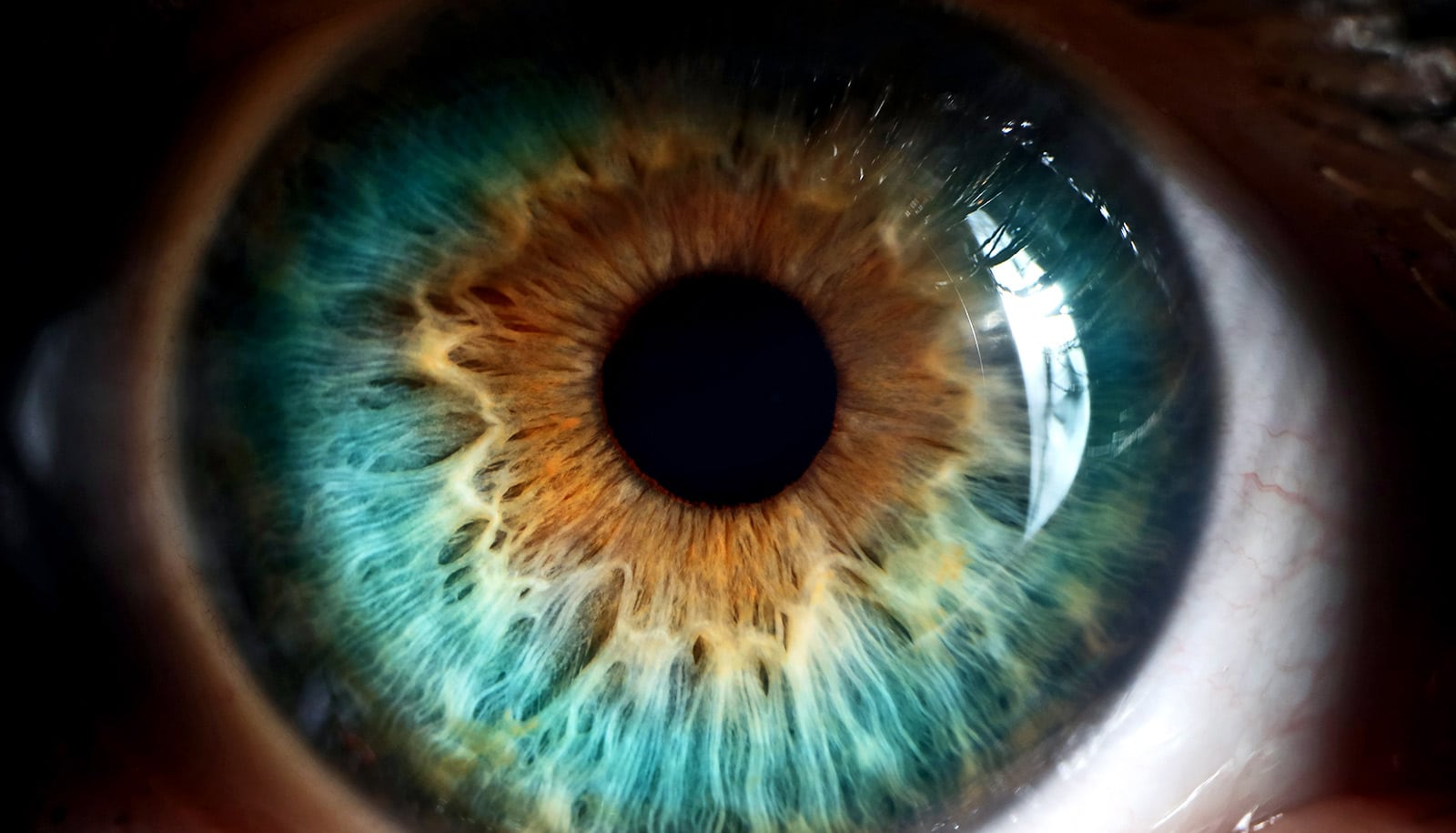
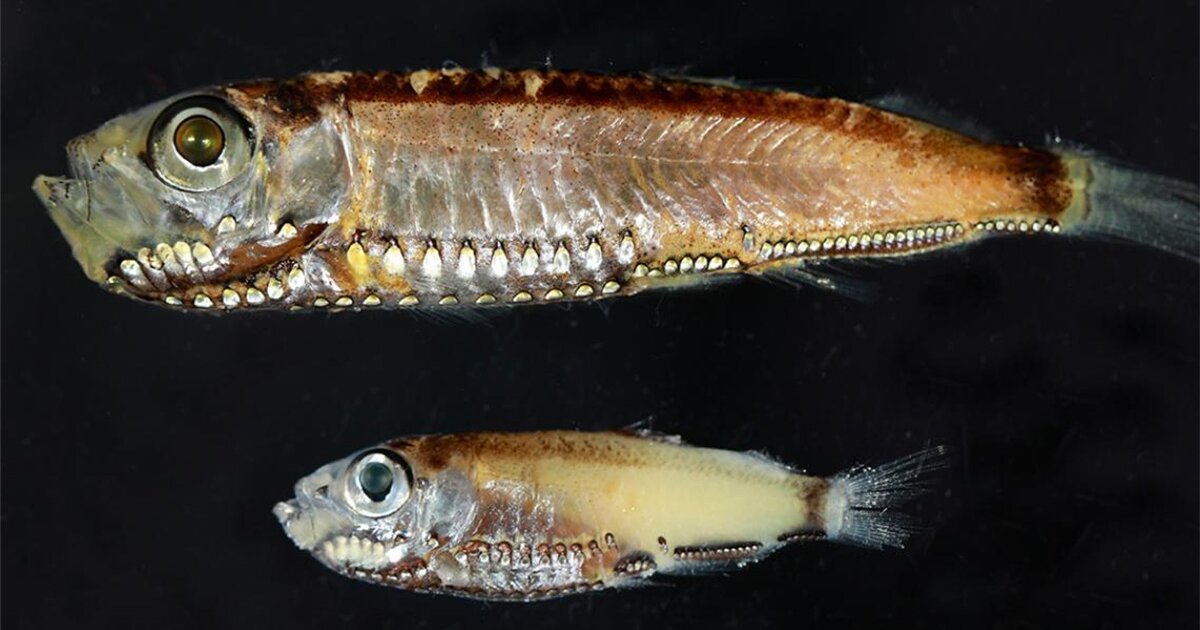
For more than 150 years, vertebrate vision has been understood as a two-part system: rods for low-light conditions, and cones for bright light and color. That tidy division is now under the microscope, as researchers from the University of Queensland have discovered a new hybrid cell that breaks the rule: rod-shaped photoreceptors that run cone-specific genetic programs. Continue Reading Category…