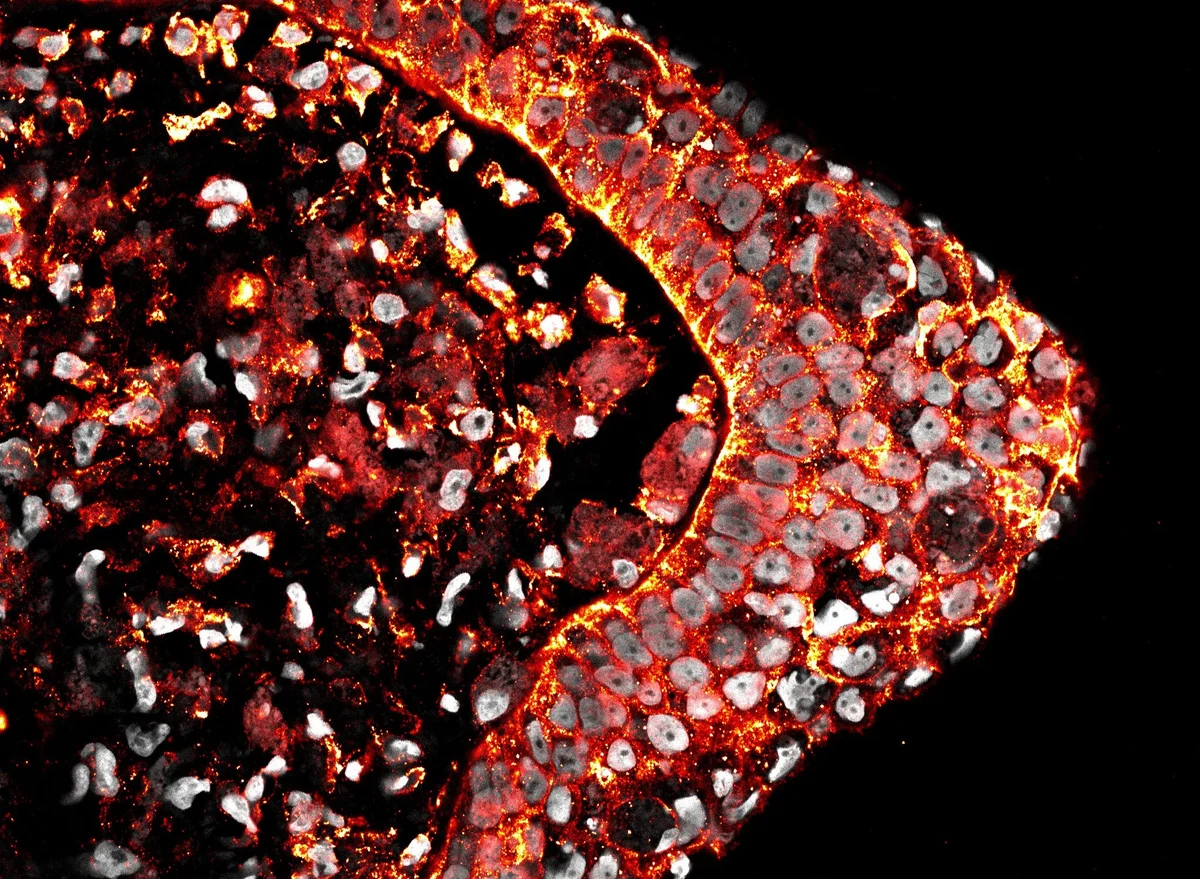
While a treatment that regrows lost limbs in humans remains many years away, the research of Wake Forest University's Josh Currie has brought the goal one step closer.
While a treatment that regrows lost limbs in humans remains many years away, the research of Wake Forest University's Josh Currie has brought the goal one step closer.
While a treatment that regrows lost limbs in humans remains many years away, the research of Wake Forest University's Josh Currie has brought the goal one step closer.
Nature Communications, Published online: 11 August 2026; doi:10.1038/s41467-026-76555-8 Animals capable of whole-body regeneration can heal virtually any wound. Here they show that Hofstenia miamia accomplishes this feat through variable morphogenetic strategies that depend on which epithelial layers are damaged, revealing a versatile toolkit for repair.
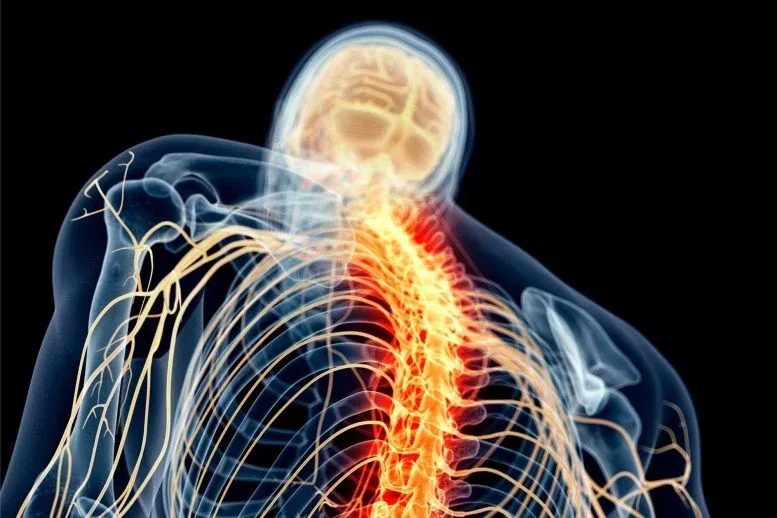
An Il-4 signal from neutrophils helps zebrafish control inflammation and regenerate damaged spinal cords. A damaged human spinal cord rarely repairs itself. The immune response that follows an injury can become excessive, producing lasting scar tissue that prevents nerve cells and their connections from growing back. Zebrafish respond very differently, controlling inflammation well enough to [...]
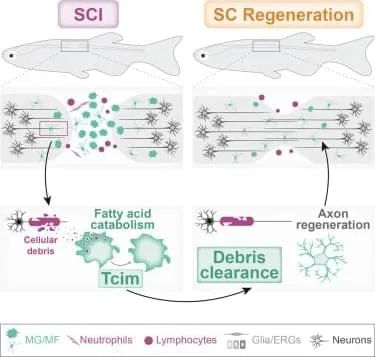
Klatt Shaw et al. report that transient activation of zebrafish macrophages directs spontaneous regeneration after spinal cord injury. By comparing regenerative and non-regenerative vertebrates, they identify Tcim as a central regulator of lipid metabolism and phagocytosis following injury. Tcim expression enhances lipid and debris clearance in zebrafish and mouse macrophages.
A “gray zone” form of living could help scientists answer long-held questions about regeneration, aging, and how tissues survive under tough conditions.
Scientists have taken a surprising step toward unlocking regeneration in mammals, showing that the ability to rebuild complex body parts may not be lost after all—it may simply be switched off. Using a two-stage treatment, researchers redirected the body’s normal healing response away from scar formation and toward regrowth, successfully restoring bone, joints, ligaments, and tendons after amputa…
Detached sea cucumber tissue survived, healed, and grew for years in natural seawater, revealing a remarkable new model for regeneration and biomedical research. A chance observation has led scientists to a discovery that challenges one of biology’s most basic assumptions: that detached animal tissue eventually dies. Instead, researchers found that tissue removed from a sea [...]
Researchers have successfully regenerated skeletal and connective tissue, although the new tissue was not perfectly formed. The result demonstrates a critical step forward in limb regeneration. For centuries, scientists have viewed the inability to regrow lost body parts as a major biological limit for humans and other mammals. Salamanders and some other animals can regenerate [...]
Scientists studying axolotls, zebrafish, and mice have uncovered a shared set of genes that may one day help humans regrow lost limbs. By identifying powerful “SP genes” involved in regeneration, researchers discovered that disabling these genes stopped proper bone regrowth in salamanders and mice. They then used a gene therapy inspired by zebrafish biology to partially restore regeneration in mi…
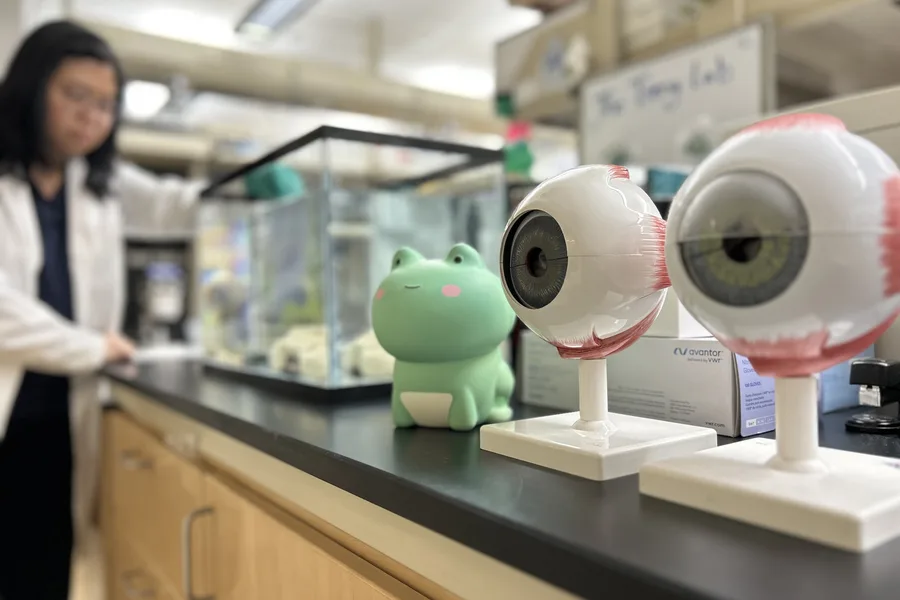
Some of the most "ribbiting" research happening on campus stems from regeneration - the science of reforming, repairing, or regrowing lost tissue. This is the prerogative of researchers in the Tseng Lab, which recently observed that certain frog larvae can regrow their eyeballs. "We're building a blueprint for eye tissue regeneration," said Kelly Tseng, professor in the School of Life Sciences.
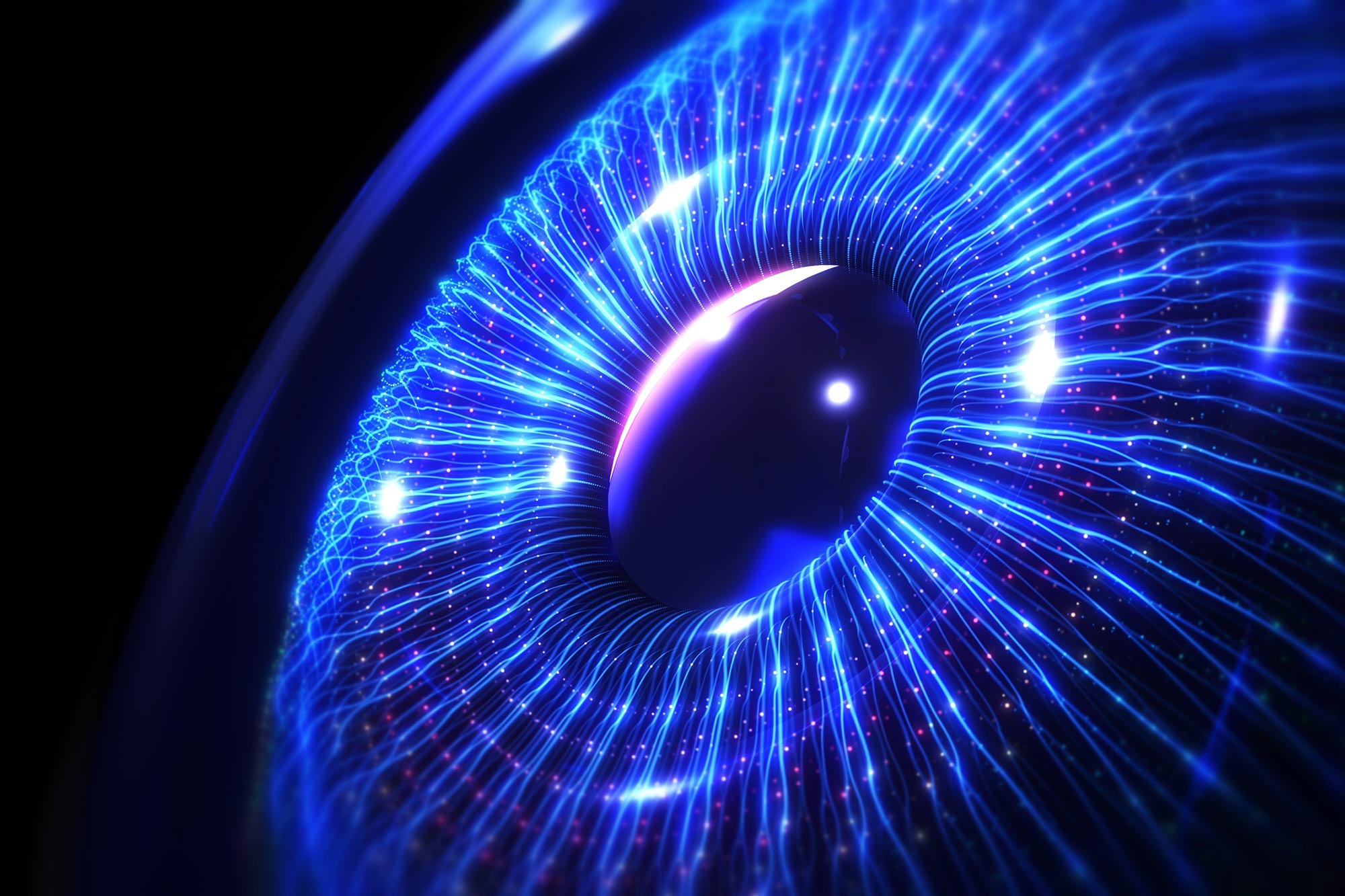
A snail that regrows its eyes may hold the genetic clues to restoring human sight. Human eyes are intricate organs that cannot regrow once damaged. Surprisingly, they share key structural features with the eyes of a freshwater apple snail, an animal capable of fully regenerating its vision. Alice Accorsi, assistant professor of molecular and cellular [...]
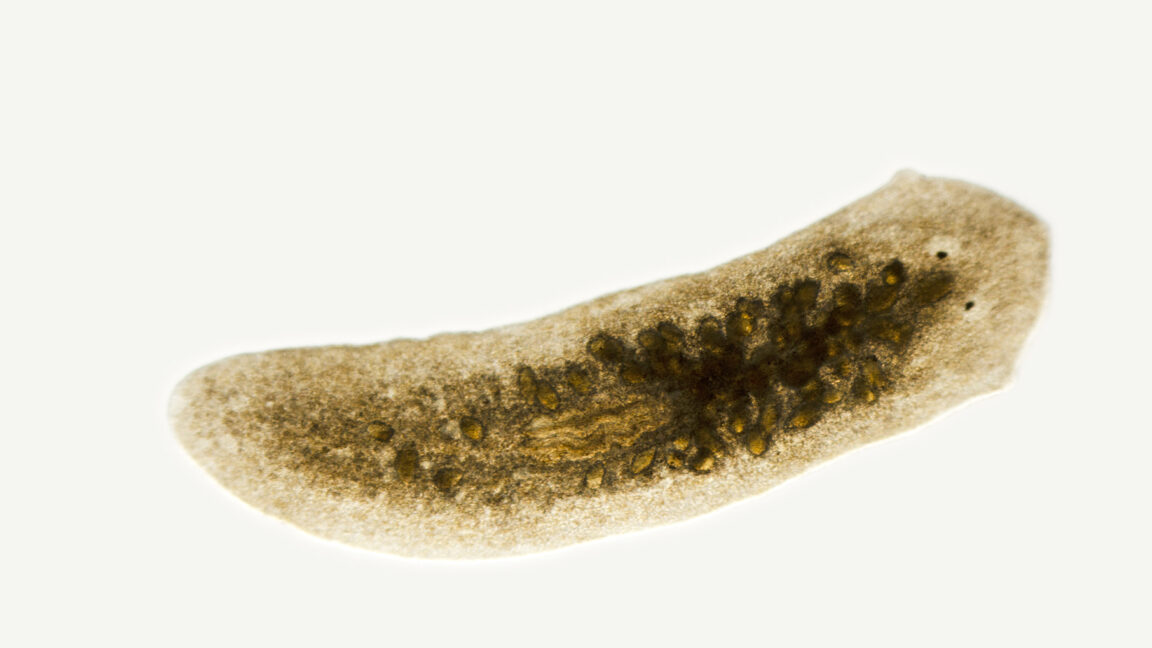
Cut off any part of this worm’s body and it will regrow. This is the spectacular yet mysterious regenerative ability of freshwater flatworms known as planarians. The lab of Whitehead Institute Member Peter Reddien investigates the principles underlying this remarkable feat. In their latest study, published in PLOS Genetics on February 6, first author staff scientist M. […] The post A planarian’s …
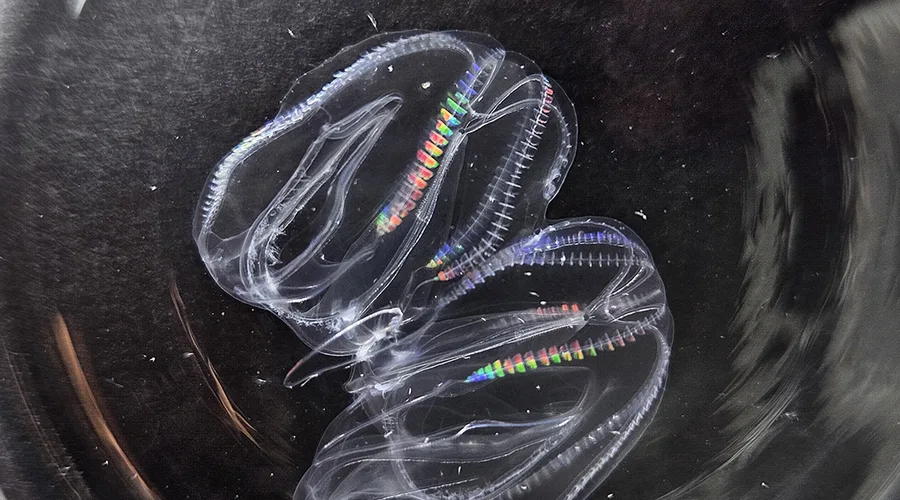
Two individual comb jellies can fuse into a single organism, providing an incredible feat of regeneration rarely seen in the animal world. The post Fused comb jellies share their secrets of regeneration appeared first on Advanced Science News .







 research.io