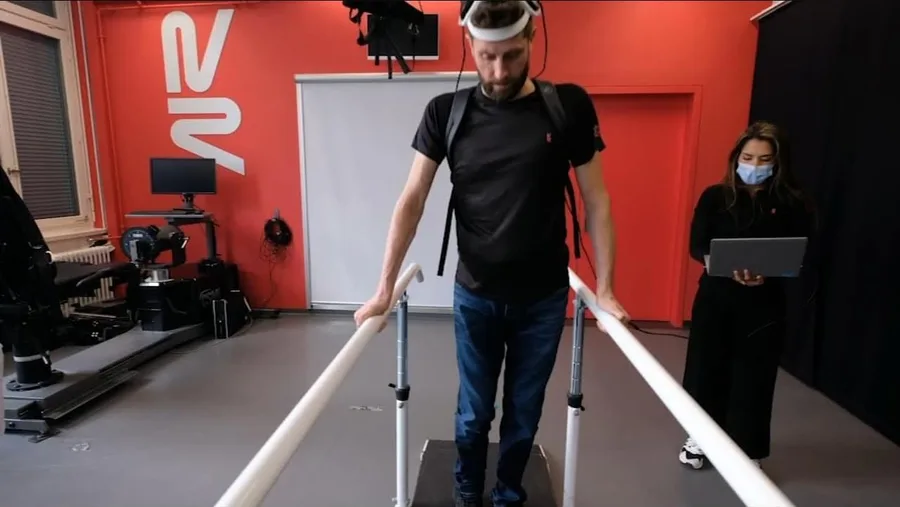
For people living with paralysis after a spinal cord injury, losing the ability to feel their hands can be just as difficult as losing movement. Touch allows people to judge how tightly they are holding an object, feel temperature, and safely interact with the world. Without that feedback, daily activities become far more challenging. Scientists […] The post Can Brain Implant Restore the Sense of…
(The Guardian) – Keith Thomas can move arms and hands, and feel sensation of touch after ‘double neural bypass’ and months of training A man who was paralysed from the chest down in a swimming accident six years ago has … Read More
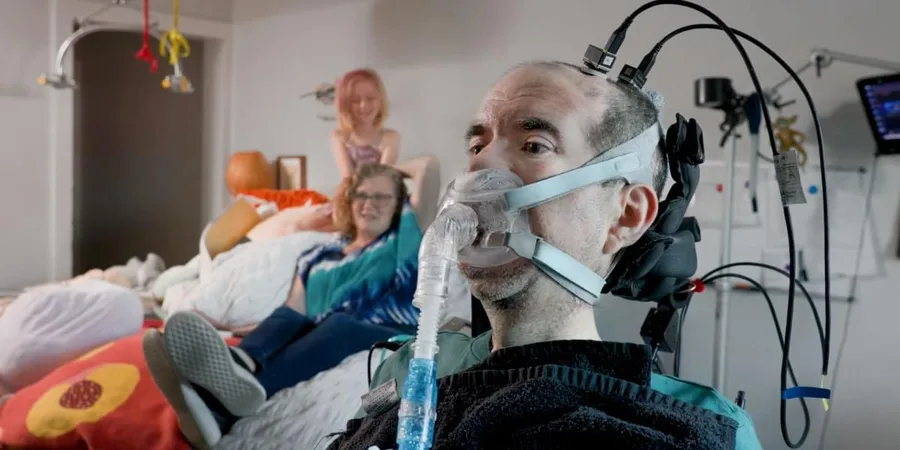
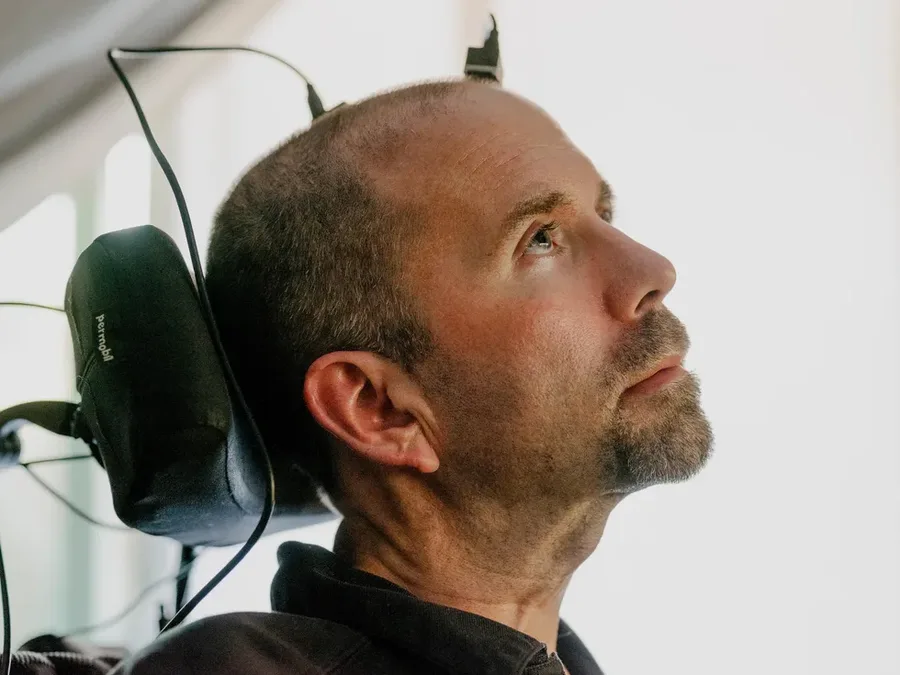
Keith Thomas, a 42-year-old from Massapequa, New York, suffered a devastating neck injury while diving into a swimming pool in July 2020. The accident left him paralysed from the chest down, unable to move his limbs. "The next day I couldn't even move," Thomas recalled of waking in hospital after being airlifted from the scene. Six years on, a revolutionary brain implant has transformed his daily…
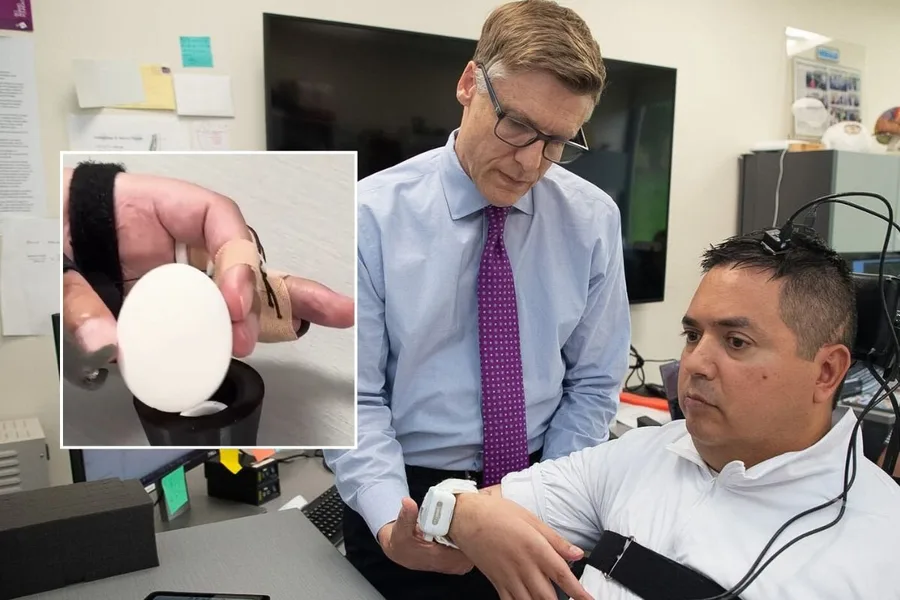
A neuroprosthetic system has helped a man with paralysis move his hand and feel touch again following a spinal cord injury, reports research published in Nature Medicine. Some of the system’s benefits continued even when the device was turned off, suggesting that it may support longer-term recovery as well as help movement in real time. […]
Nature Medicine, Published online: 16 July 2026; doi:10.1038/s41591-026-04498-0 A bidirectional sensorimotor neuroprosthetic system that decodes brain signals associated with movement intention while delivering patterned neuromodulation to the spinal cord and cortex provides long-term recovery of hand motor and sensory function, even when the device is off.
A new USC study shows that a tiny electrode array can restore coordinated bladder control in rats - proof of concept for a neuroprosthetic device that could transform life after spinal cord injury. The post A USC team is targeting the spinal cord to solve paralysis’ most overlooked problem appeared first on USC Viterbi | School of Engineering .
Scott Imbrie vividly remembers the first time he used a robotic arm to shake someone’s hand and felt the robotic limb as if it were his own. “I still get goosebumps when I think about that initial contact,” he says. “It’s just unexplainable.” The moment came courtesy of a brain implant: an array of electrodes that let him control a robotic arm and receive tactile sensations back to the brain. Get…
Original Research
Published on 01 Apr 2026
Spiking neural networks provide accurate and time-efficient models for whisker stimulus classification of the awake mouse
in Neuroprosthetics
- 158 views
Original Research
Published on 01 Apr 2026
in Neuroprosthetics
Opinion
Accepted on 30 Mar 2026
in Neuroprosthetics
Original Research
Published on 25 Mar 2026
in Neuroprosthetics
Original Research
Accept…
A research team has developed a three-dimensional neural electrode that deforms smoothly using soft actuation technology. It is expected to be used in various next-generation soft bioelectronic devices, including electroceuticals for peripheral nerve treatment.
Two new articles document progress in neuroprosthetic technology that lets people feel the shape and movement of objects moving over the 'skin' of a bionic hand.
Some say the next step in human evolution will be the integration of technology with flesh. Now, researchers have used virtual reality to test whether humans can feel embodiment -- the sense that something is part of one's body -- toward prosthetic 'hands' that resemble a pair of tweezers. They report that participants felt an equal degree of embodiment for the tweezer-hands and were also faster …
For people with paralysis or amputation, neuroprosthetic systems that artificially stimulate muscle contraction with electrical current can help them regain limb function. However, despite many years of research, this type of prosthesis is not widely used because it leads to rapid muscle fatigue and poor control. MIT researchers have developed a new approach that they […] The post MIT scientists …
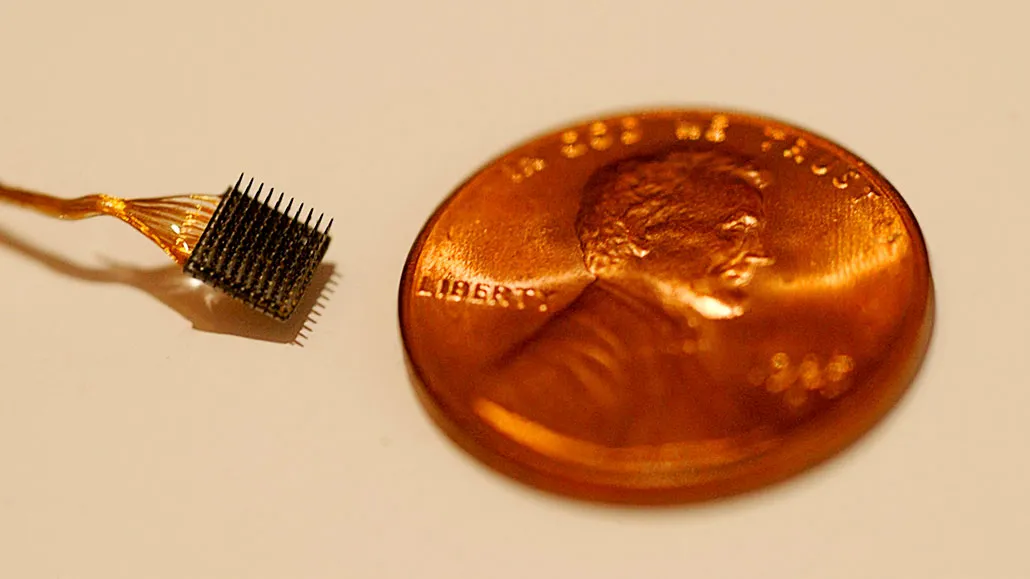
A group of researchers have created an exceptionally small implant, with electrodes the size of a single neuron that can also remain intact in the body over time -- a unique combination that holds promise for future vision implants for the blind.
Several recent studies from Feinberg investigators and colleagues have shed light on complex neurological processes and provided new insights and technological developments for neural prostheses. The post Building Momentum Toward Neural Prostheses appeared first on News Center .


 research.io