medical-research
Generative artificial intelligence (GenAI) chatbots powered by large language models (LLMs) are becoming increasingly integrated into health and medical research workflows, offering researchers new tools to enhance efficiency, support innovation, and assist with knowledge translation. Although their use in health and medical research is expanding rapidly, the practical application of these tools …
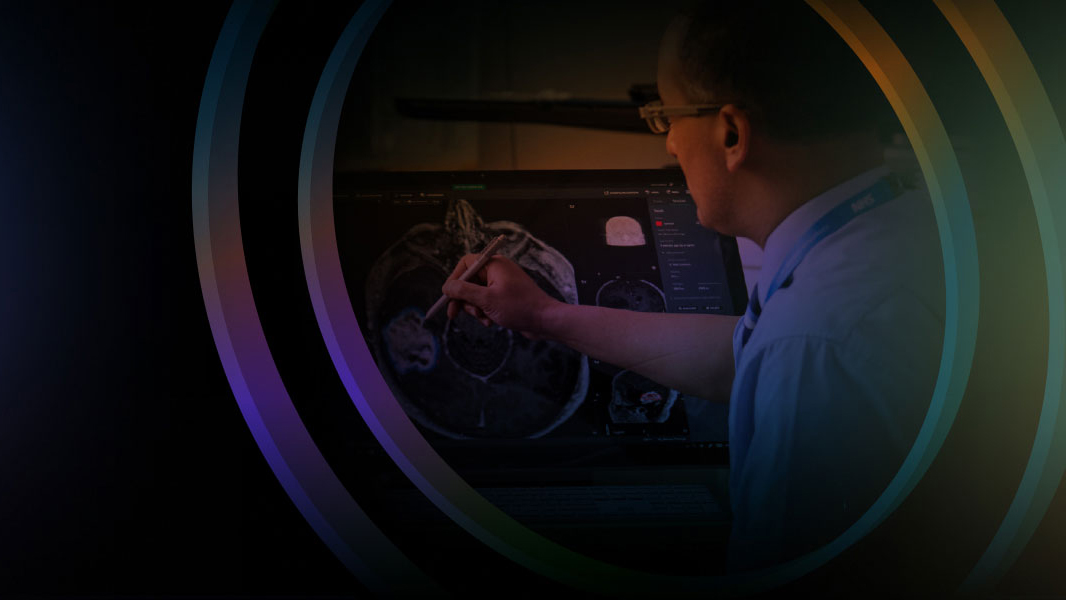
Technologists Bill Gates and Sébastien Bubeck discuss the state of generative AI in medicine, how access to “medical intelligence” might help empower people across healthcare, and how AI’s accelerating improvements are likely to affect both delivery and discovery. The post How AI is reshaping the future of healthcare and medical research appeared first on Microsoft Research .
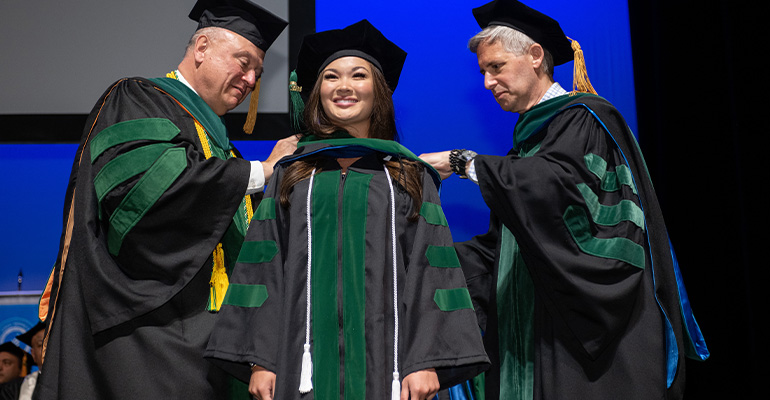
Savanna Hoyt, M.D. (’24) had plenty on her mind as she prepared for STEP 1. She had been spending her days studying for the exam after finishing her second year [...] The post Unexpected challenges arose for Savanna Hoyt (’24) during her journey toward the M.D. appeared first on NEOMED .
Now in its second year, Feinberg’s Research Intensive Scholarly Emphasis (RISE) program supports medical students engaging in an additional year of research during their medical school career. The post RISE Program Empowers Medical Students Pursuing Research appeared first on News Center .
Second-year medical students presented Area of Scholarly Concentration (AOSC) research projects during a virtual session held November 5. The post Second-year Students Present AOSC Projects appeared first on News Center .
The Introduction to Medical Research: Essential Skills course provides an overview of key steps and common methods in medical research and its publication. We deliver this course for the Oxford University Clinical Academic School. It is available to Oxford Foundation School doctors […]