looking at social housing, occupied spaces, and the history of the two cities the curators of agency for better living opened a discussion on possible solutions to the global housing crisis. The post what rome and vienna can teach about the future of affordable housing appeared first on designboom | architecture & design magazine .
Vanshika, West Bengal National University of Juridical Sciences ABSTRACT Do inadequate policies harm the people they are made for or is it the lackadaisical implementation of those policies that are the problem? When does the law become inadequate and how does one gauge that gap so that the law actually delivers? The Supreme Court made “housing” a fundamental right under Article 21’s broad “right…
Ms. Shamayeeta Dey, LLM (Human Rights, AIALS, Amity University, Noida, Uttar Pradesh. ABSTRACT The Supreme Court has told India, more than once and in increasingly forceful language, that the right to shelter lives inside Article 21. It said so in 1985, when it linked pavement dwellers' evictions to the right to livelihood. It said so again in 1996, dropping the hedge entirely and calling shelter…
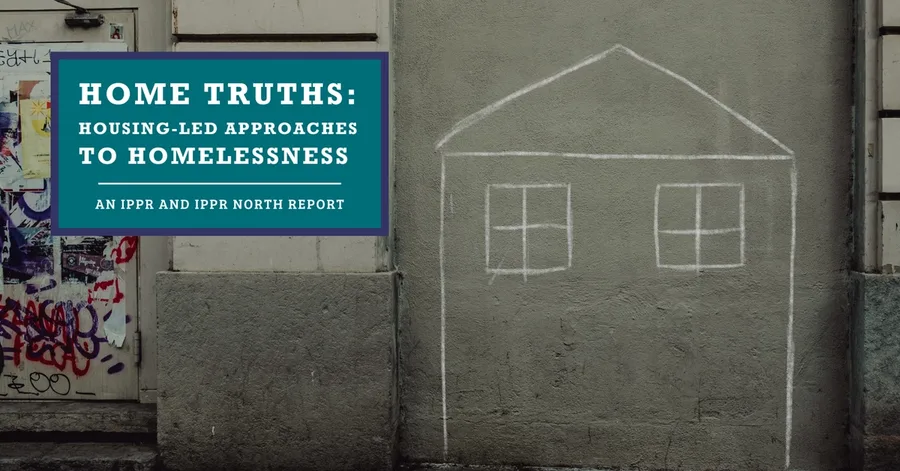
The most meaningful progress has instead come from places where local leaders have made homelessness a priority, driving improvements in both the provision and delivery of homelessness services. At a time where trust in the state is low, rough sleeping is a visible manifestation of the failure of our public services.National government used the language of 'housing-led' in the homelessness strate…
New analysis reveals rates of homelessness are set to increase by 25 per cent by the end of the decade without interventionThink tanks call for new government to fund national homelessness programme, taking empty homes and turning them into sanctuariesResearchers urge that Andy Burnham’s “national housing first philosophy” must be enacted quickly to support those at the sharpest end of the housin…
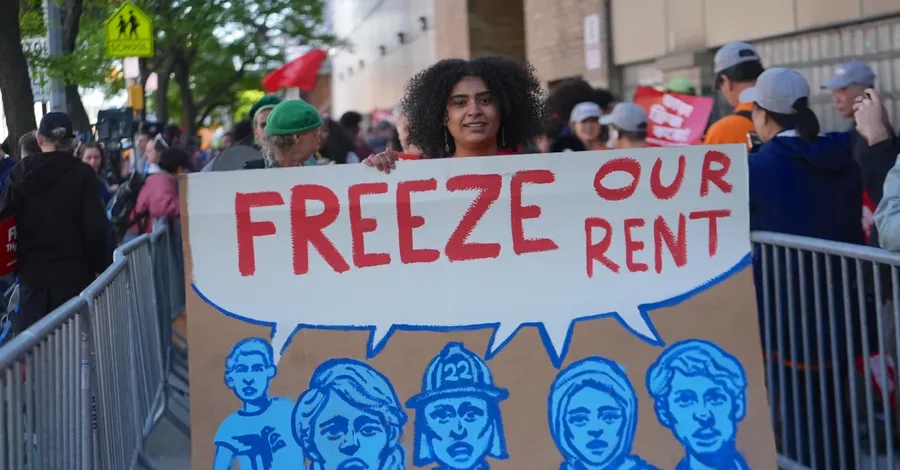
As America’s housing crisis deepens, policymakers are increasingly turning to an old idea for improving affordability: making large rent increases illegal. In recent years. Oregon, Washington, and California have enacted statewide rent controls. In 2024, the Biden administration floated a nationwide cap on rent increases for large buildings. And last month, New York’s Rent Guidelines […]
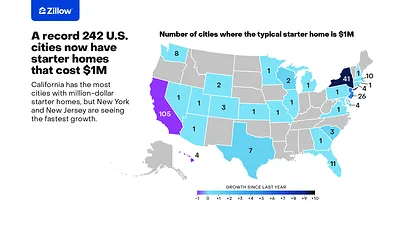
The count of cities with $1 million starter homes has nearly tripled since 2020, an enduring sign of how the pandemic housing boom reset affordability for first-time buyers
- The number of cities where a typical starter home is worth $1 million or more has nearly tripled since before the pandemic, rising from 80 in February 2020 to a record 242 today.
- California still has the most cities with m…
Here is one narrative violation in the usual drumbeat of doom that we’re used to hearing about housing in America: The rent, in many cities across the US, is getting cheaper. After soaring to Covid-era highs, rents have cooled. Last month, the national median rent was down 1.7 percent from one year prior, according to […]
Based on recent proposals and policy dialogue, it would appear that first-time home buyers (FTB) are indeed facing desperate times. For example, in a recent Urban Institute study , Michael Stegman, Ted Tozer, and Richard Green advocate for a zero-downpayment Federal Housing Administration (FHA) mortgage. They argue that this would be a more efficient way to deliver much needed support to help hou…