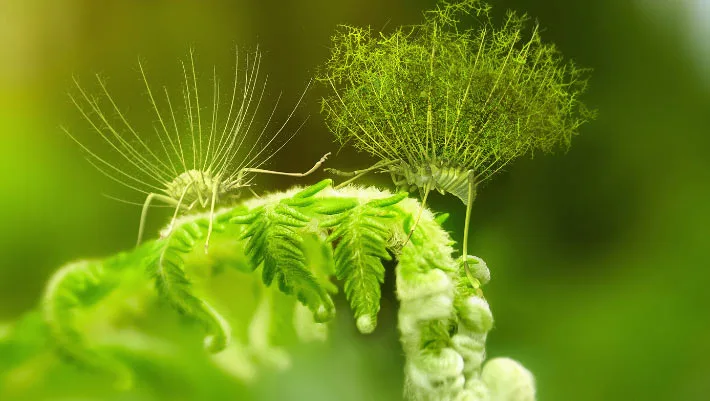
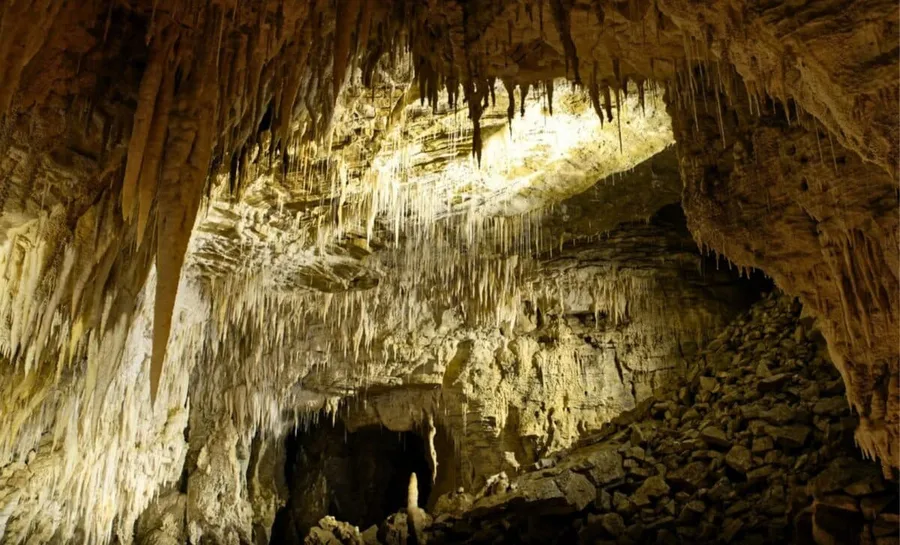
El Soplao, a fossil site tucked into the hills of Cantabria in northern Spain, stands out for yielding amber pieces with a blue-violet hue and abundant bioinclusions, according to a new review paper. The post Spanish Amber Deposit Offers Rare Window into Cretaceous Life appeared first on Sci.News: Breaking Science News .
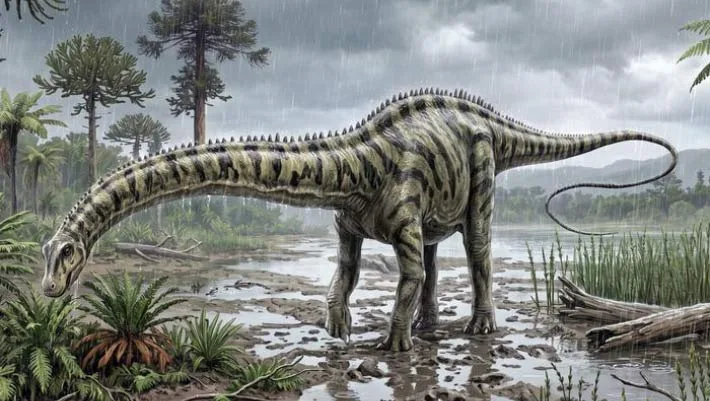
Paleontologists from Fundación Dinópolis have identified the first confirmed fossils of the genus Diplodocus found outside North America. The post Diplodocus, Long Thought Exclusively American, Turns Up in Spain appeared first on Sci.News: Breaking Science News .
New research helps scientists determine whether marks on fossils are genuine bite marks. Deep grooves and punctures scar a small collection of dinosaur bones unearthed in Wyoming. They resemble the aftermath of a powerful predator’s bite—but fossil damage can be deceptive. Disease, erosion, insects, and exposure after death can all leave impressions that mimic tooth [...]
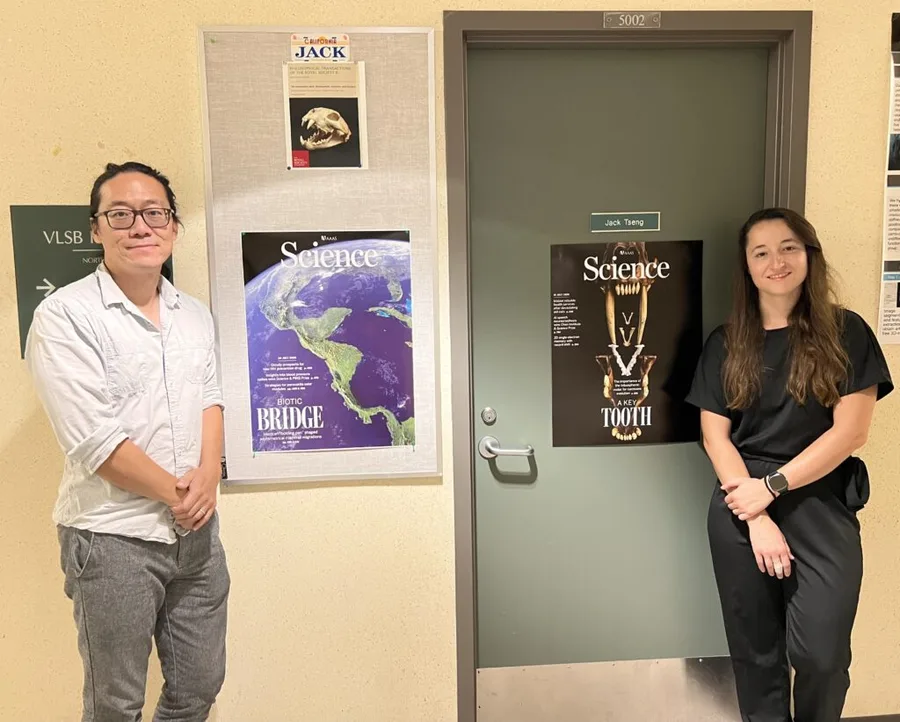
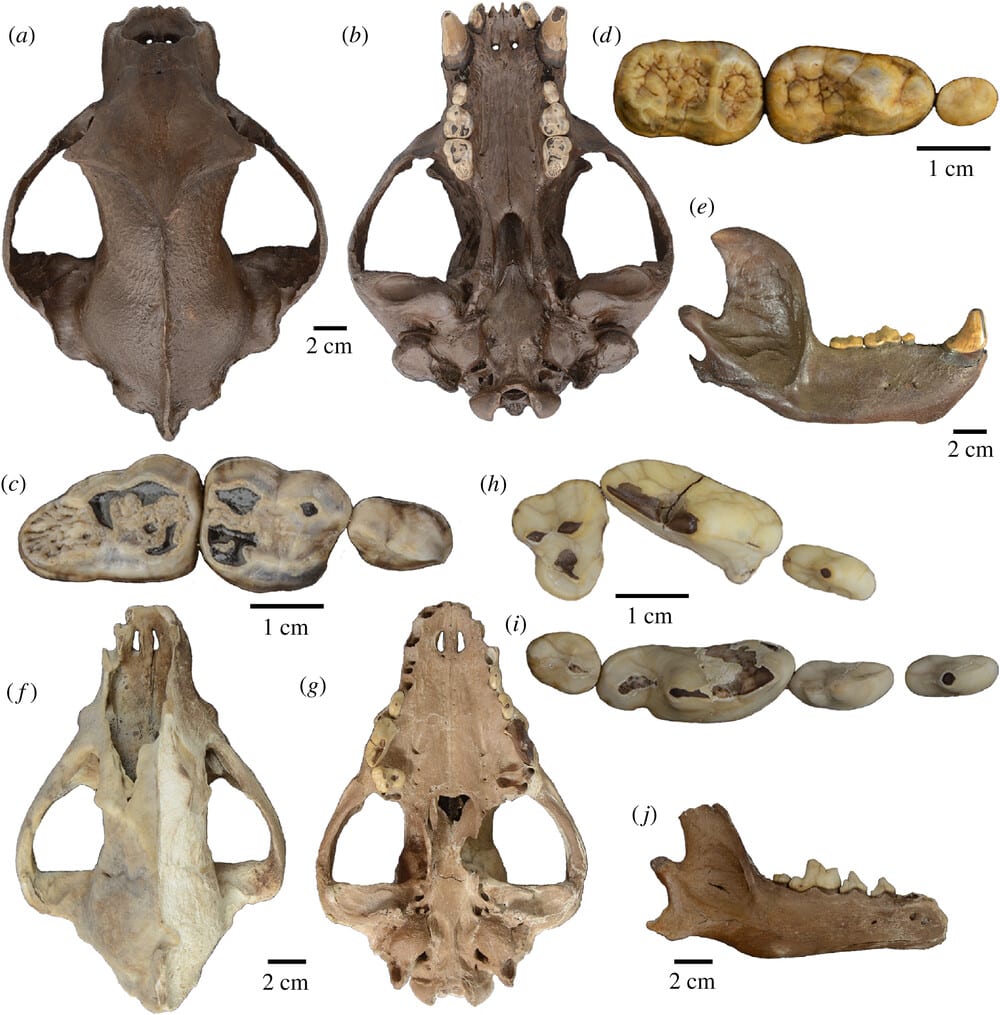
Updated July 30, 2026 This summer, several new research papers from members of the UCMP Community hit the press:   Jack is back on the cover of Science. On July 30, 2026, Jack Tseng, UC Berkeley alum Leah Kahn, and team analyzed new fossil data of mammals in Mexico, suggesting that the geographic region acted […]
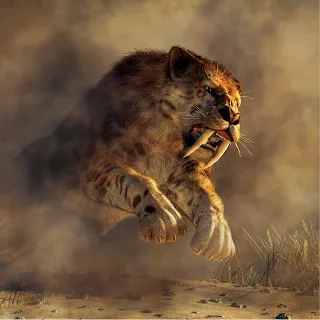
This fierce predator with the luxurious coat is Smilodon fatalis -- a compact but robust killer that weighed in around 160 to 280 kg and was 1.5 - 2.2 metres long.Smilodon is a genus of the extinct machairodont subfamily of the felids. It is one of ...
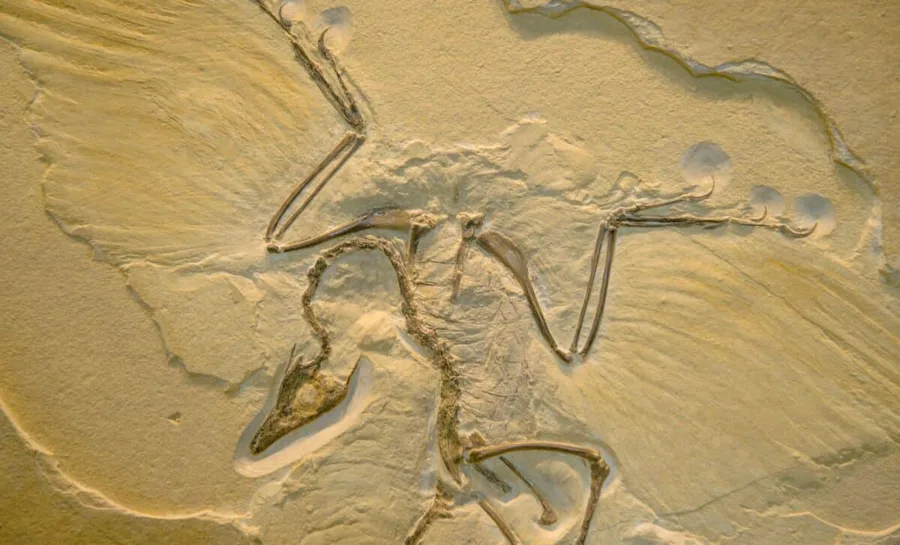
A remarkable set of fossil feathers revealed an unexpected pattern. Hidden within the ancient plumage was a clue that had remained unnoticed for 160 million years.
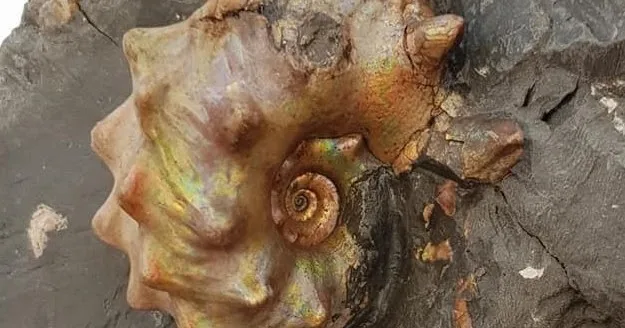
Cradled within the soft blue-grey embrace of the Gault Clay lies this beautifully preserved Proeuhoplites subtuberculatus, collected from Bed II (iv) of the Folkestone Gault in Kent, southeast England. Measuring just 35 millimetres across, this ...
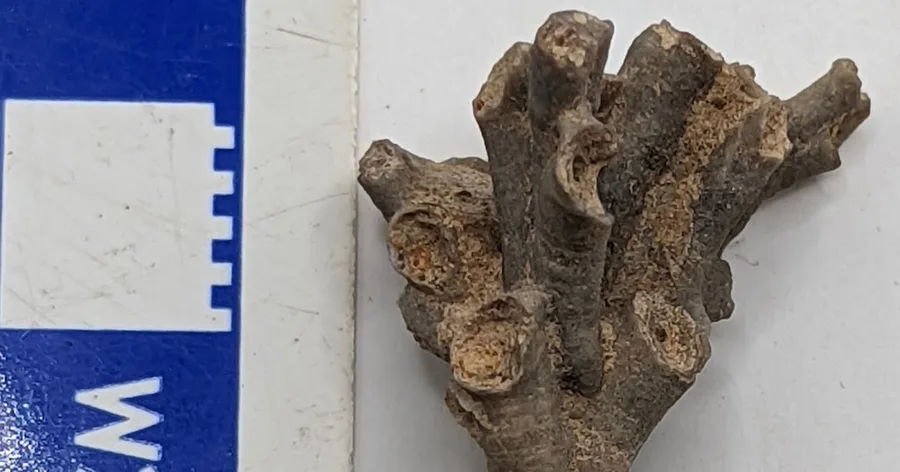
This fossil appears to be a Drymopora auloporoidea (Davis, 1885). It was found in the Devonian Period layer of Jefferson County, Kentucky, USA. The fossil was from the collection of James Conkin.First named in the 1885 publication Kentucky Fossil C...
Scientists have revealed the habits of a massive "kraken-like" giant octopus - the size of two London buses. Newly-identified fossils were analysed by Hokkaido University paleontologists, who found that some ancient species were up to 19 metres in length. The research, published in the journal Science, suggests the prehistoric octopuses could have preyed upon vertebrates such as the mosasaurs and…
Sometimes, the most important paleontological discoveries may come from the most disgusting materials. Continue Reading Category: Biology , Science Tags: Paleontology , Predator , Reptile , Fossils
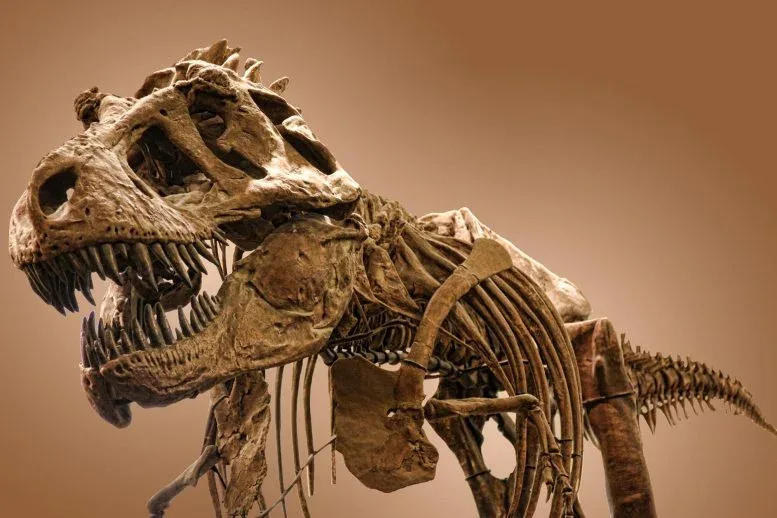
Fossils are remarkable for their ability to viscerally connect us with long-lost life. The bulk of a Tyrannosaurus rex skull, the biting point of a shark tooth, the startling familiarity of a hominin footprint—and then there’s the charm inherent to any sample of regurgitalite, the paleontological term for fossilized vomit.
Okay, charm might be a stretch, but to the right scientist, the rare finds…
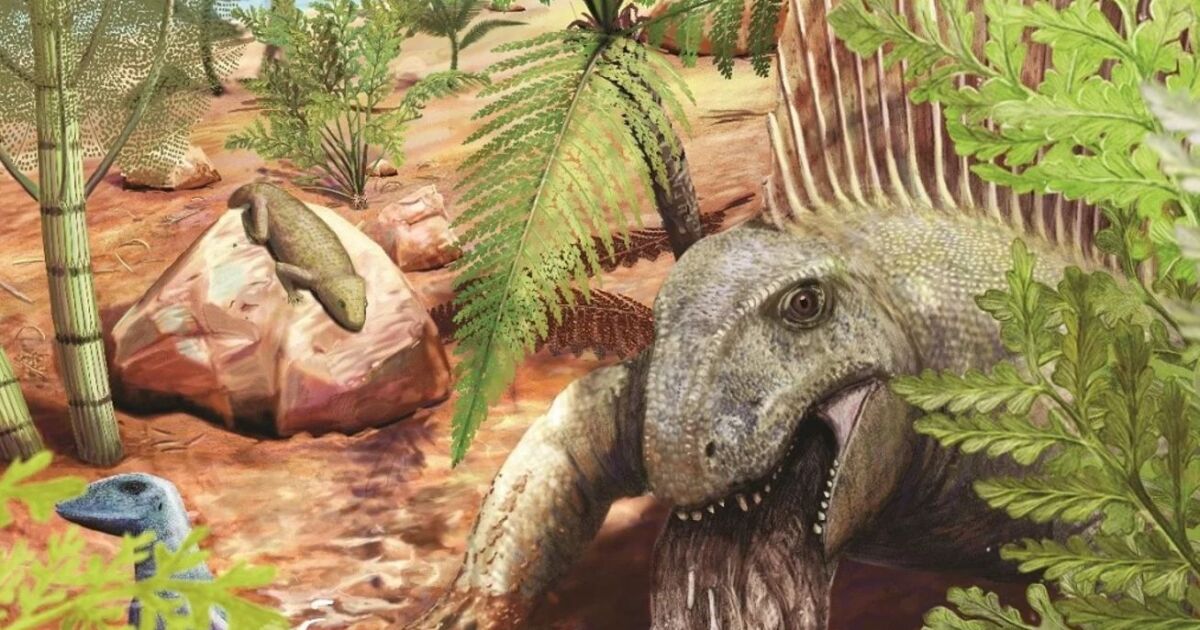
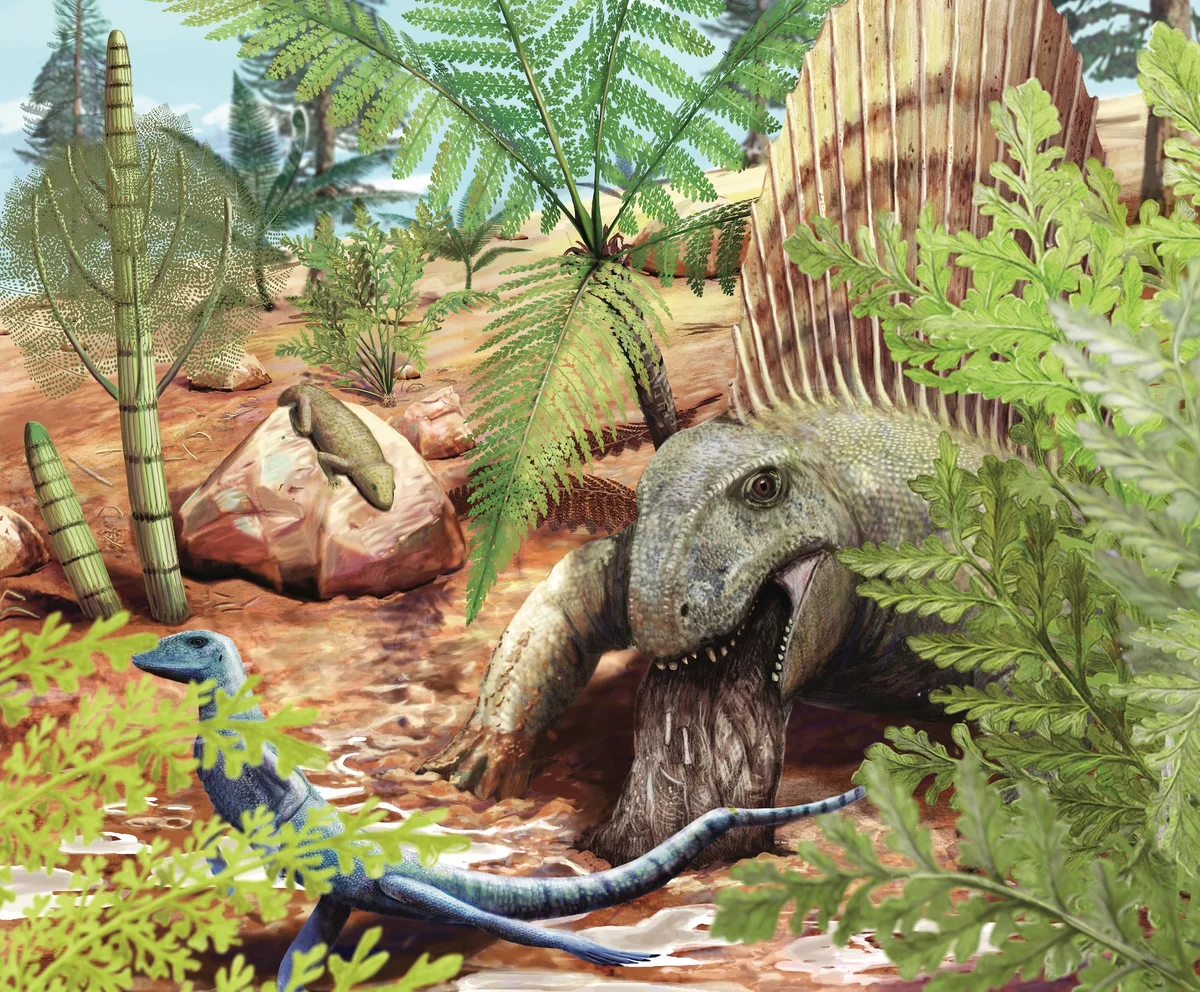
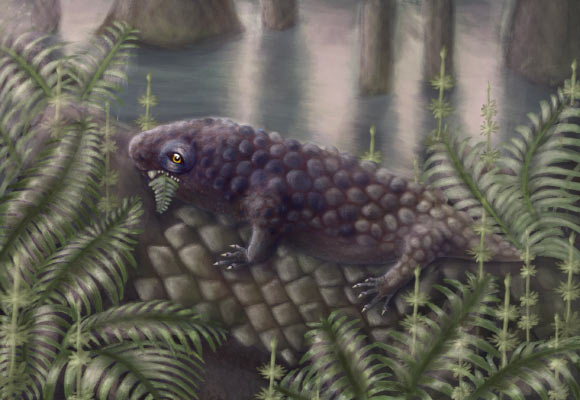
Tyrannoroter heberti, a new species of pantylid ‘microsaur’ from the Carboniferous period, shows that some of Earth’s earliest land vertebrates had already evolved complex teeth for grinding plants, suggesting terrestrial herbivory emerged rapidly after animals moved onto land. The post 307-Million-Year-Old Fossil of Plant-Eating Land Vertebrate Found in Canada appeared first on Sci.News: Breakin…
Alexandria, VA — Saber-tooth tigers, dire wolves and woolly mammoths conjure up images of a past when large beasts struggled against the elements, each other, and even against humans for survival. Thousands of these creatures met their demise in the muck of the La Brea tar pits in Los Angeles, where they slowly sank into the tar and were fossilized. Now, scientists are using traces from hungry, b…