Bandana Devi Thokchom, Ph.D. Research Scholar, Manipur International University Prof. S. James, Dean, Department of Law, Manipur International University ABSTRACT The digital revolution has profoundly reshaped the architecture of governance, commerce, and human interaction, creating unprecedented opportunities for connectivity while simultaneously intensifying the tension between privacy and surv…
Dr. Surinder Kalyan & Ram Deep Singh ABSTRACT The rapid development of digital economy in India has made personal data one of most important resources. With implementation of digital governance, digital commerce, artificial intelligence, cloud computing, digital health and fintech, amount of personal data being collected, stored and processed by various governmental bodies and businesses has …
Enterprise AI now processes a growing share of the sensitive data that flows through the modern workplace. That data moves through chatbots, copilots, developer IDEs, and, increasingly, autonomous agents that act on their own. The stakes are no longer hypothetical. The same productivity gains that put AI on many board agendas also created an exposure ... Read more » The post How to Protect Sensit…
This research paper delves into the implications of the General Data Protection Regulation (GDPR) and the United Kingdom (UK) GDPR on academic institutions, shedding light on their significance for organizations and educational establishments handling data from individuals in the European Union (EU) and the UK. Non-compliance with these regulations can lead to substantial penalties. The study foc…
R. Jacob, VELS School of Law, Pallavaram Dr. Ashwathi Sukumaran, Professor, VELS School of Law, Pallavaram ABSTRACT The digital age has reshaped the relationship between individuals and the state, and privacy has felt the strain. This article examines the legal and constitutional dimensions of privacy rights, state surveillance powers, and data protection frameworks. By tracing how privacy jurisp…
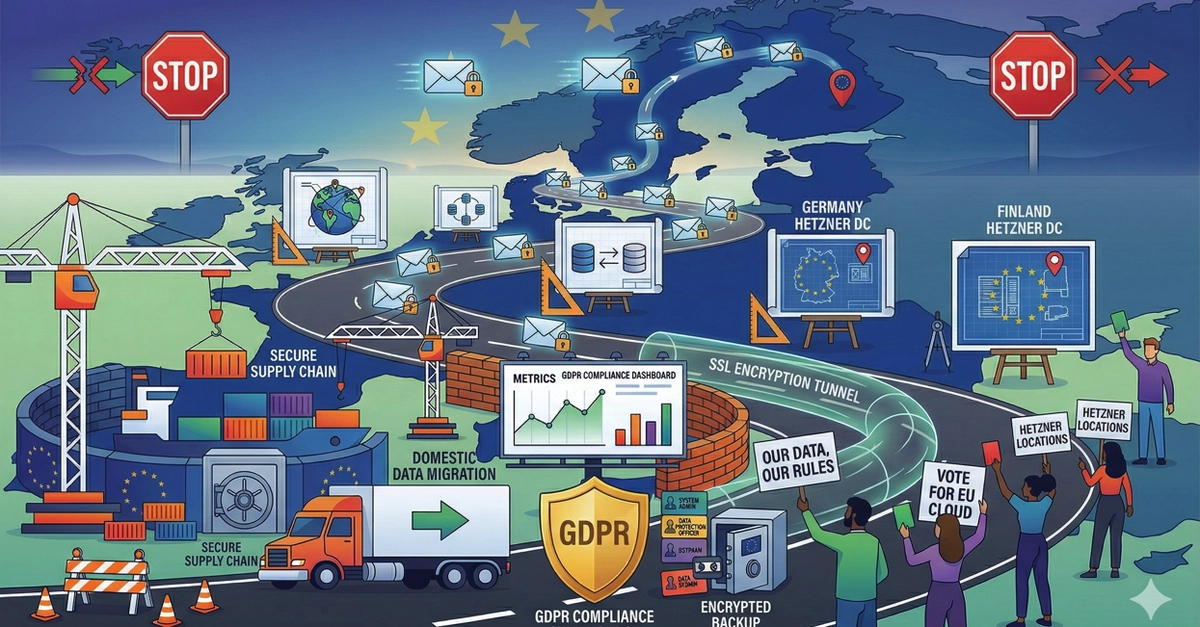
If you serve European customers, GDPR is not optional. It is not a suggestion, a best practice, or something you can worry about later. Since May 2018, the General Data Protection Regulation has been the law across the European Economic Area, and the fines for non-compliance are not theoretical. Companies of every size have been penalized, and regulators are getting more aggressive, not less. For…
Priyadharsani Indra R, Vinayaka Mission's Law School ABSTRACT India’s Digital Personal Data Protection Act, 2023 (DPDPA), along with the proposed rules for 2025, is the country’s first complete law to protect personal data and regulate how data can be shared with other countries. Under Section 16 of the Act, personal data can usually be transferred outside India unless the Central Government spec…
Priyadarshini Chakraborty, Manipal Law School, Bengaluru ABSTRACT The fast changing and rapid expansion of the digital economy in India has not only transformed the way personal data is collected, processed, and utilised but also has transformed how people value their own personal data these days. At the very core end of this transformation lies the concept of consent which forms a legal basis of…