
biomimetics

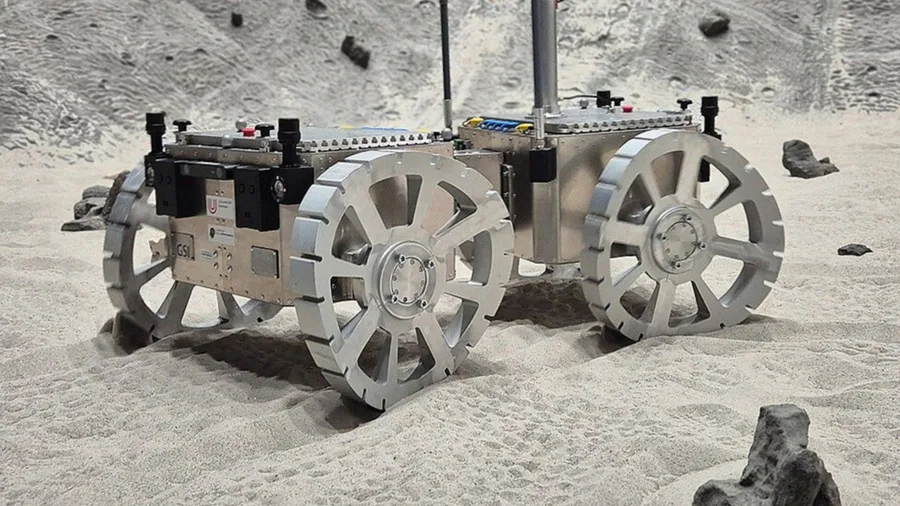
The sandfish locomotion idea has been adopted from Scincus scincus, a lizard found in the Sahara desert.
Learn from Penn State College of Engineering researchers who study birds, fish, lizards, insects and other animals to develop innovative machines that deepen our understanding of the world around us.
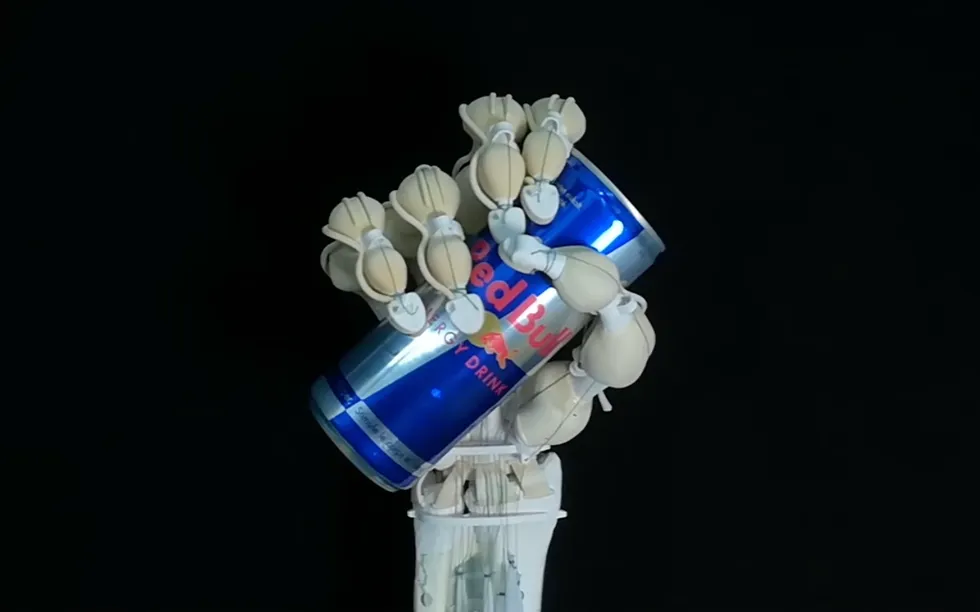
Video Friday is your weekly selection of awesome robotics videos, collected by your friends at IEEE Spectrum robotics. We also post a weekly calendar of upcoming robotics events for the next few months. Please send us your events for inclusion. ICRA 2026 : 1–5 June 2026, VIENNA Enjoy today’s videos! The functional replication and actuation of complex structures inspired by nature is a longstandin…
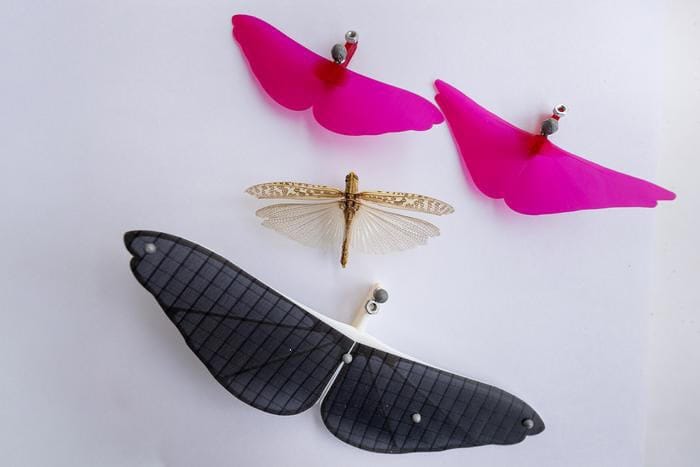
Many biorobots are built after flies and bees–insects that rely heavily on flapping flight. For small robots, this means carrying heavy batteries or remaining tethered in order to power their motors. Instead, researchers have turned to grasshoppers for a lesson in small-scale gliding. Grasshoppers have two sets of wings. The forward set provide protection and […]
Biomimetic Models: How Nature Is Inspiring the Future of Technology and Intelligence Introduction to Biomimetic Models The Biomimetic Models are […] The post Biomimetic Models: How Nature Is Inspiring the Future of Technology and Intelligence appeared first on Bits of Scope .
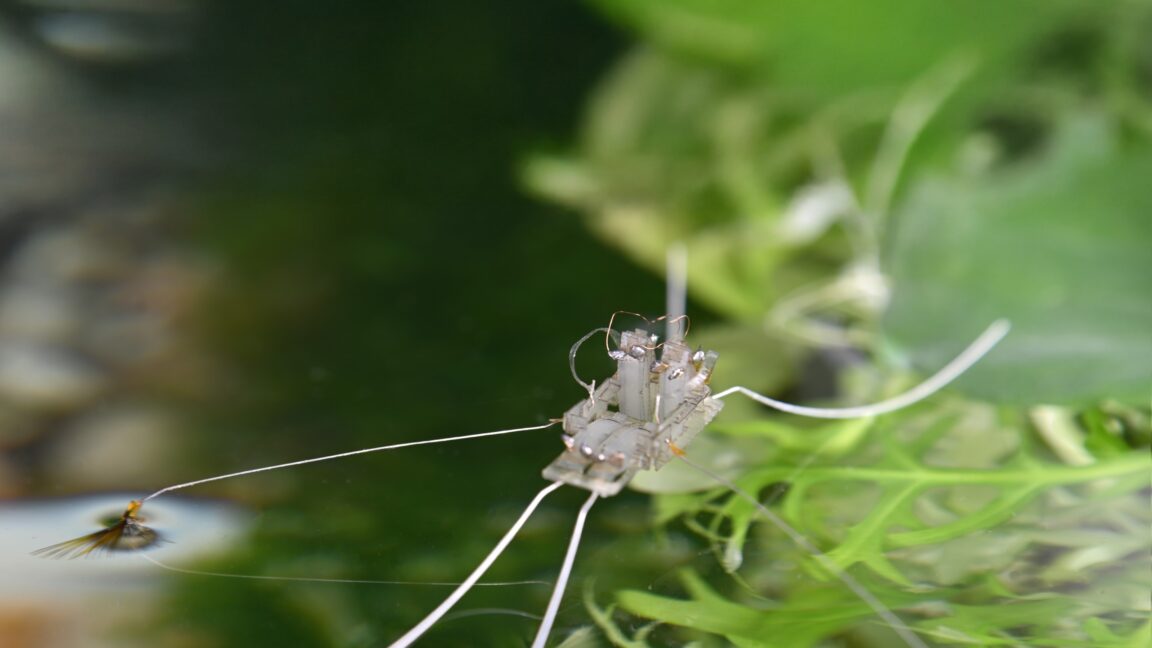
A structure like those found on water striders' legs keeps a robot out of the water.
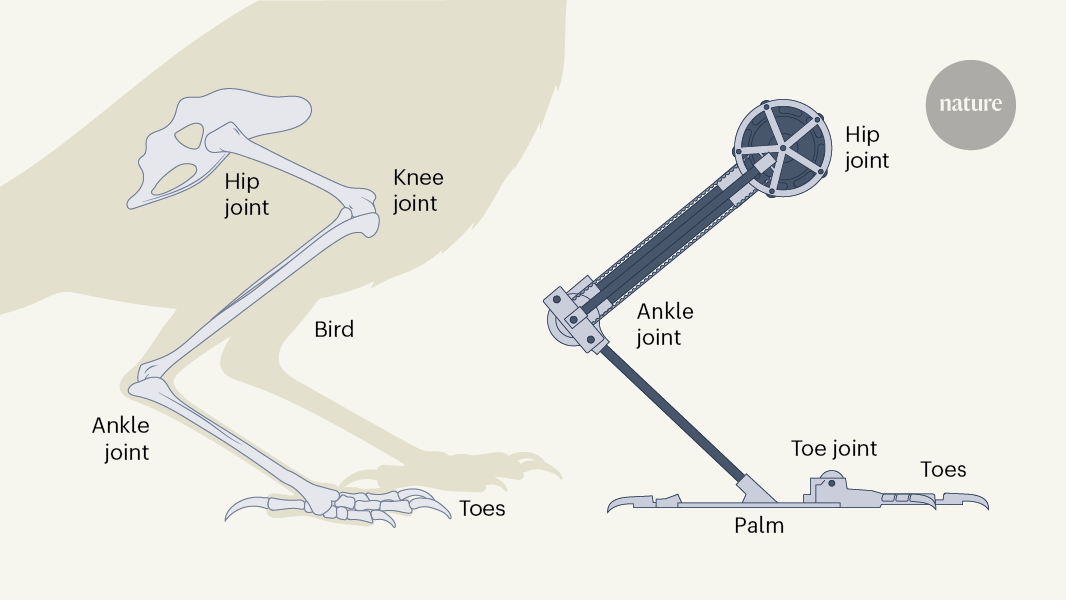
Professor Monica Daley is a co-author and biology contributor for this Nature paper on RAVEN: a bird-inspired multi-modal robot that uses its legs to propel itself for take-off for flight.
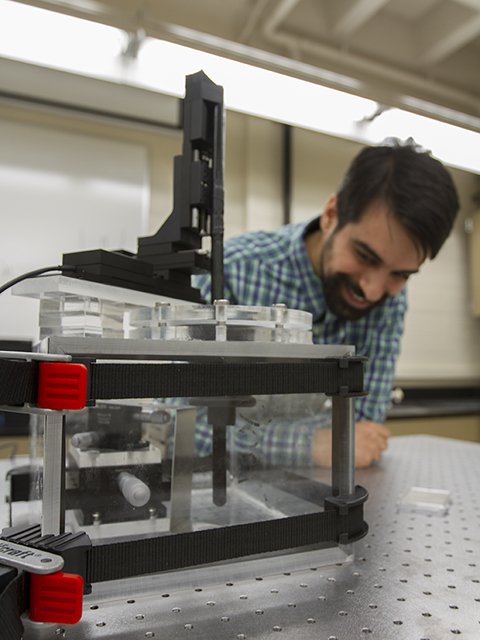
Above: Hosain Bagheri, a doctoral student working in the Bio-Inspired Robotics, Technology and Healthcare (BIRTH) Lab explains the setae-inspired structures the lab is developing to achieve switchable adhesion for space robotics. The pictured apparatus is designed to test friction and adhesion of these tiny, synthetic fibrillar structures in a vacuum as well as at extreme temperatures for use in …
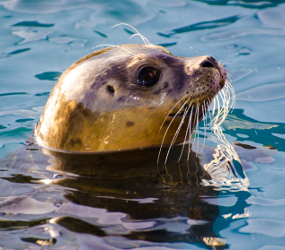
Many mammals, including seals and rats, rely on their whiskers to sense their way through dark environments. Inspired by these animals, scientists working at the University of Illinois at Urbana-Champaign and Illinois’ Advanced Digital Sciences Centre in Singapore have developed a robotic ‘whisker’ tactile sensor array designed to produce tomographic images by measuring fluid flow. The results ar…
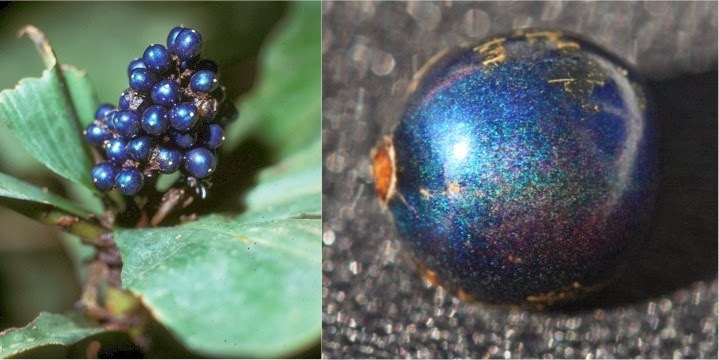
Scientists giving public lectures face a formidable challenge. It needs to be both interesting, exciting, and accessible to a broad audience. Hopefully, the speaker can communicate something not just about science but also about how science is done. Yesterday I attended a very nice public lecture at UQ. Professor Ullrich Steiner from Cambridge spoke on How Nature Makes Materials . It nicely bridg…