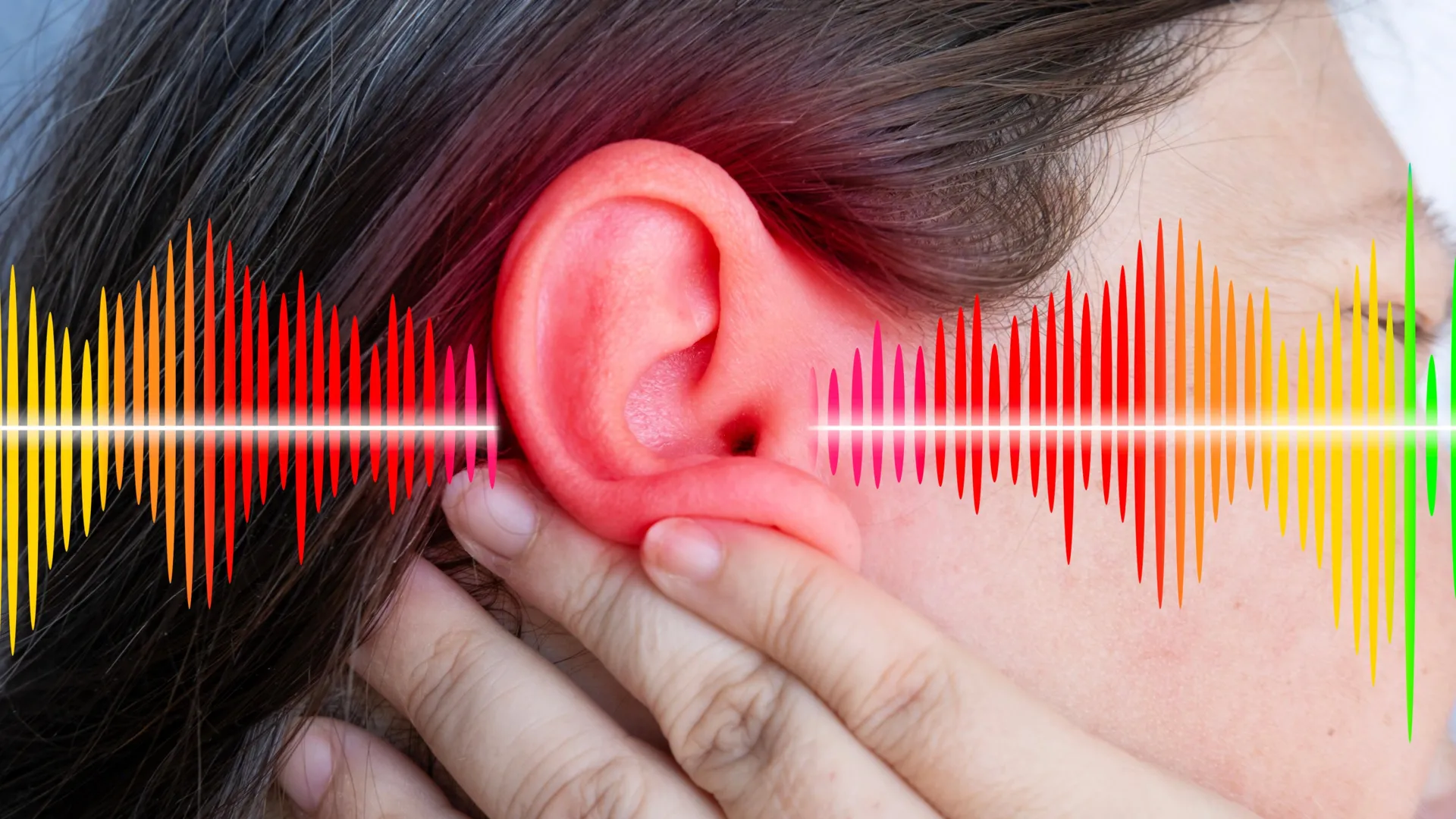
Tinnitus is the name for hearing a sound when there is no outside source making it. People often describe it as ringing, buzzing, humming, hissing or whistling in one or both ears. For some people it is mild and occasional, while for others it can be constant and interfere with sleep, concentration and daily life. […] The post Scientists Find a Big Cause of Tinnitus appeared first on Knowridge Sc…
Wednesday, September 16, 2026
Dr. Ellen Peng
Research Scientist
Center for Hearing Research, Boys Town National Research Hospital
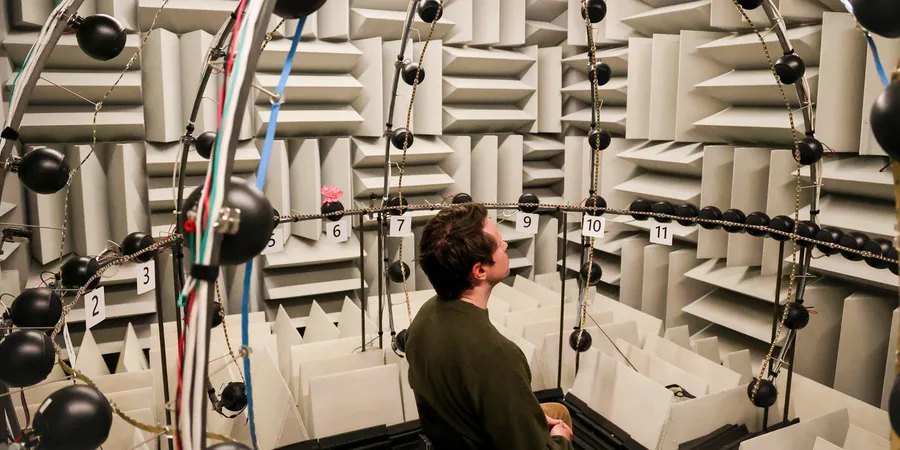
Cochlear implants (CIs) enable children who are born deaf to develop speech understanding in quiet listening conditions. However, routine clinical assessments provide limited insight into performance in everyday environments with noise and reverberation, missing impo…
Gene Therapy, Published online: 26 August 2026; doi:10.1038/s41434-026-00641-1 Mapping the global trends and hotspots of research on gene therapy and hair cell regeneration for hearing loss: a comprehensive data-mining-based study
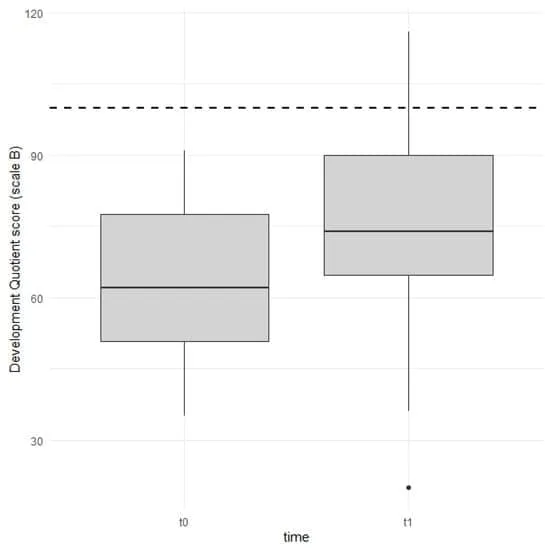
Background/Objectives: The primary objective of the present study was to investigate early global development in children after one year of cochlear implant (CI) use. The secondary objective was to investigate the role of variables such as age at CI activation, gender, and parental schooling in early global development in children with a CI. Methods: The […]
This study provides a comprehensive analysis of ear canal geometry from 0.7 to 91 years, based on high-resolution computed tomography scans of 221 ears. Quantified features include cross-sectional areas along the canal’s length, total canal length, curvature, and key anatomical landmarks such as the first and second bends and the cartilage-to-bone transition. Significant developmental changes occ…
This paper investigates the physical significance of ear-canal wave quantities—such as absorbance—that are commonly measured in wideband-acoustic-immittance tests and evaluates whether these quantities uniquely characterize middle-ear function. This is explored using simulations of lumped-element and transmission-line ear canals, along with measurements in three-dimensional-printed uniform and an…
Objectives/Hypothesis (1) To measure attentional selection based on the three-network model of attention (alerting, orienting, and executive control) in older adults with and without hearing loss, and (2) in adults with hearing loss (a) awaiting a CI and (b) currently using a CI. The principal hypothesis was that hearing rehabilitation with CIs would release higher-order explicit cognitive proces…
IntroductionCortical auditory-evoked potential (CAEP) responses are used clinically to assess auditory processing and support cochlear implant (CI) mapping procedures post-implantation. This study aims to examine CAEP responses as an objective measure of neurophysiological changes following a structured Aural Rehabilitation Program (ARP) in long-term adult CI users, with poor baseline speech perc…
BackgroundCochlear implant (CI) audio processor upgrades have demonstrated speech recognition benefits in non-tonal language populations, but high-level evidence for native Mandarin-speaking CI users (a tonal language with unique signal processing requirements) remains critically limited. This study aimed to assess the speech perception performance of the SONNET 2 and RONDO 3 dual-microphone audi…
A new international study co-led by investigators from Mass General Brigham and the Eye & ENT Hospital of Fudan University shows that a gene therapy for a rare form of genetic deafness successfully restored hearing in most participants, with results lasting up to 2.5 years.
A diner scans the menu with her eyes while strands of conversation and random noise – from her party, from other customers, from the kitchen – bombard her ears. She leans in but deciphering what’s being said just across the table can be challenging, if not impossible.
Deafness reversed: One injection restores hearing in just weeks
- Date:
- April 3, 2026
- Source:
- Karolinska Institutet
- Summary:
- A new gene therapy is giving people born deaf the chance to hear, often within just weeks. In a small but groundbreaking study, researchers delivered a working copy of a key hearing gene directly into the inner ear using a single injection. All ten patients, rangi…
Date: Fri, 04/24/2026 - 10:30am - 12:00pm Location: CCRMA Seminar Room Event Type: Hearing Seminar The auditory brainstem response (ABR) is a basic auditory signal. An ABR test is performed on nearly all infants to make sure there is a functioning auditory system. The clinical test is not perfect, but if there is no response additional tests lead to a cochlear implant before the newborn losses …
Sound quality from cochlear implants plays a much larger role in daily functioning and well-being. The post Looking Beyond Speech Recognition To Evaluate Cochlear Implants first appeared on Acoustics.org .
Tinnitus, a condition in which individuals perceive a ringing or buzzing sound in the absence of an external source, affects a substantial portion of the global population. Many sufferers report disrupted sleep, but the precise link between tinnitus and sleep has remained elusive. A significant study led by Dr. Linus Milinski and Dr. Victoria M. Bajo from the University of Oxford sheds new light …
Gene therapy restores hearing in children with hereditary deafness; ongoing trials show promise for widespread application. The post Gene therapy cures hereditary deafness in two people appeared first on Advanced Science News .
Human beings are very skilled at understanding language, even under difficult conditions. However, loud background noises make it difficult for people who are hard of hearing to follow what a speaker is saying. Hearing aids do not really help as currently available models do not filter enough of the background noises out. Researchers at FAU […]
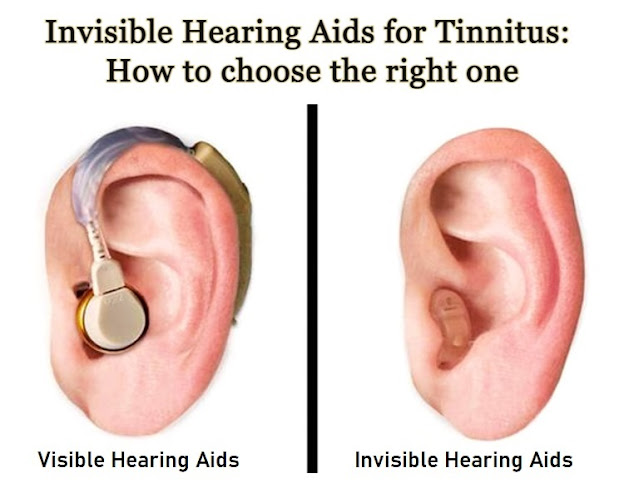
Hearing aids are something that people like to choose based on their sense of style. A lot of people suffering from Tinnitus do not like wearing hearing aids because of how visible they are. So, let us take a look at some invisible ones. Visible vs Invisible hearing aids Invisible Hearing Aids for Tinnitus: How to choose the right one When someone falls victim to tinnitus, they tend to keep heari…
Learning Objectives Be able to explain how sound transduction happens from inner hair cells to the brainstem. Be able to describe the motile response (electromotility) of the outer hair cells. The inner hair cells are the sensory neurons. We have about 3500 of them, running the whole length of the basilar membrane. Each hair cell Read more »






 research.io